REVIEW · TOKYO
Making Japanese desserts Nerikiri & drinking matcha in Tokyo
Book on Viator →Operated by Shuminavi Inc. · Bookable on Viator
Nerikiri looks hard, but it isn’t. In this small Tokyo class, you get hands-on time making seasonal kneaded desserts (nerikiri) and then you sit down with matcha right after. It feels cultural, but not stuffy.
I especially love the personal attention you get in a group capped at 8. And I like that you’re not just copying shapes—you’ll understand the process and how the season shapes what you make.
One thing to consider: if you want a specific design (like an owl or a needle mouse), you need to request it by email, and timing can affect whether it’s possible. Also, the exact kitchen location can switch between Shimokitazawa and Toritsudaigaku Station.
In This Review
- Key things to love about this nerikiri and matcha class
- Nerikiri 101: what you’ll make in 1.5 hours
- The instructor’s process and why it actually helps you
- Matcha after you knead: the flavor payoff
- Where you’ll be in Tokyo: Setagaya-ku and the right station to use
- Price and value: what $65.69 gets you
- The details that change your experience (in good and annoying ways)
- Who should book (and who might not love it)
- Should you book this Tokyo nerikiri and matcha class?
- FAQ
- How long is the nerikiri and matcha class in Tokyo?
- Where does the class start, and can the location change?
- What will I make during the class?
- Can I request a specific design like an owl or a needle mouse?
- Is matcha included?
- Will I be able to take the desserts home?
- Is there free cancellation?
Key things to love about this nerikiri and matcha class
- Small-group format (max 8) so your instructor can check your work
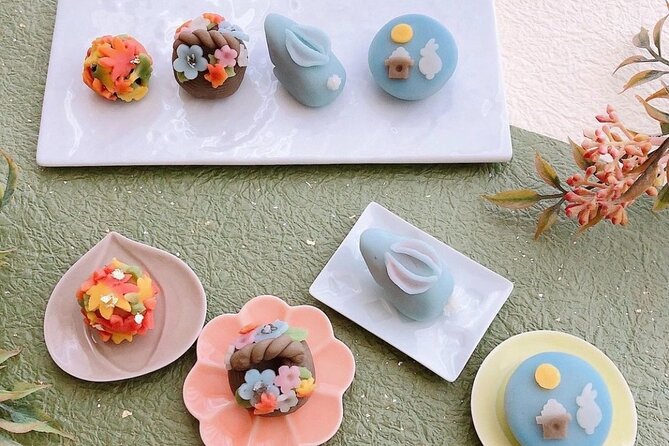
- Three types of seasonal kneaded dough made by hand in about 90 minutes
- Everything provided: ingredients, tools, and step-by-step guidance
- Matcha included after the class, plus you can taste your sweets on the spot
- Take-home packets so you can bring your nerikiri away with you
Nerikiri 101: what you’ll make in 1.5 hours
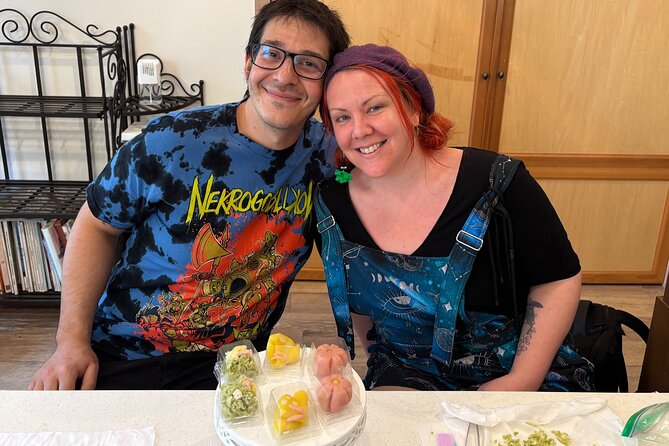
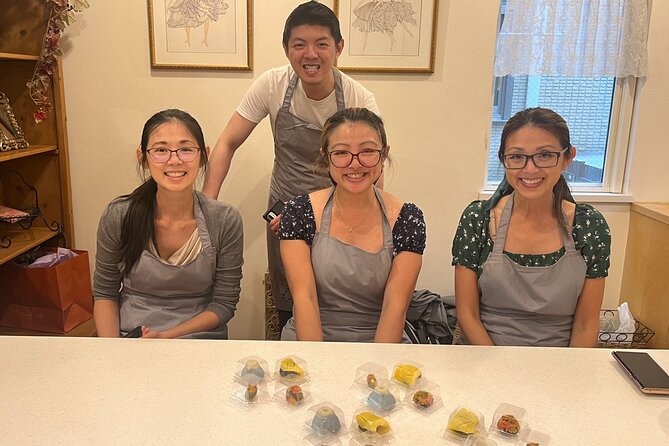
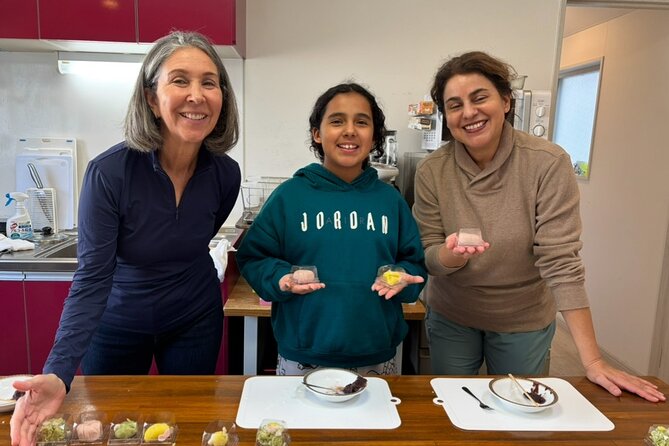
This class is built around making nerikiri the real way: with your hands. You’ll start by learning how the process works, then you’ll get to do it yourself. That hands-on part is the whole point. Nerikiri is all about texture and shape, so watching instructions is only half the story.
You’ll make three types of seasonal kneaded dough. The class rotates with the season, so what ends up on your work surface depends on when you go. You’ll also learn how these sweets are tied to the year—why certain designs and flavors show up at certain times.
Your default assignment is seasonal kneaded rice balls. But the class notes also mention a fun option: if you want an owl and a needle mouse, send a request by email. If you do not request a specific shape, you’ll make whatever is set for that season.
Here’s the practical angle: you don’t need special pastry skill. The class is set up for beginners, with a tutor walking you through steps while you’re kneading and forming. Still, remember this is a 1 hour 30 minute session. You’ll leave with finished (and tasty) results, but it’s not an all-day craft course where you perfect every tiny detail.
You can also read our reviews of more tours and experiences in Tokyo.

The instructor’s process and why it actually helps you
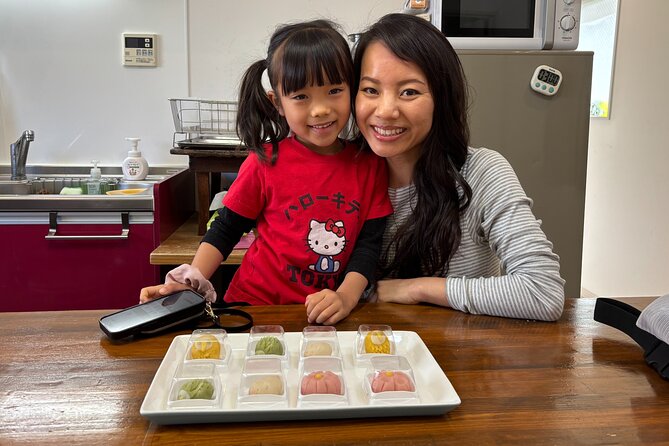
You’ll get more than a recipe. The instructor explains the process of making nerikiri and you experience it step by step. That’s a big deal because nerikiri has a specific feel—soft, moldable, and sensitive to handling. If you’ve ever watched someone shape dough and thought it looked magical, this is the chance to learn where the magic comes from: technique, timing, and how you work the dough.
You’ll also learn context that most guidebook stops skip. The class includes facts about Japanese cuisine that focus on how sweets fit into culture, not just what to order. The nerikiri story is supported by sampling a range of treats, so you get a sense of how the craft connects to what people actually eat.
In other words, you’re not only taking home desserts. You’re taking home ideas:
- what makes nerikiri different from other Japanese sweets
- how seasonality shows up in the shapes you’ll be making
- how the kneaded-dough texture supports the final look
That added context turns the class from a one-off activity into something you can understand and remember the next time you see these sweets in a shop.
Matcha after you knead: the flavor payoff
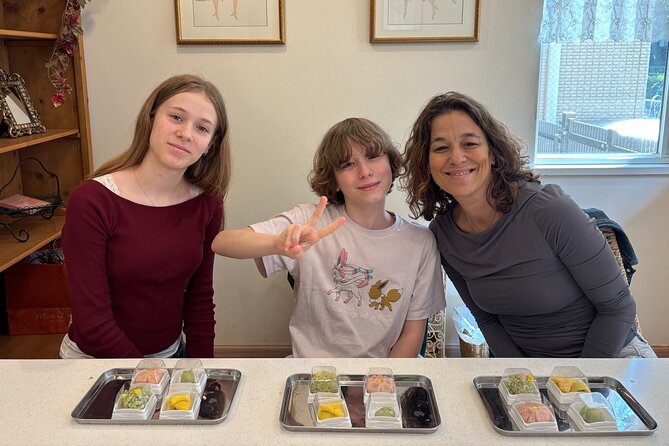
After you finish making your nerikiri, the instructor prepares matcha—powdered green tea—and you get to enjoy a cup. This matters because it changes how you experience the sweets. Nerikiri can be sweet and delicate, and matcha brings a grassy, bitter-green balance that keeps things from feeling heavy.
The class is designed so you’re not waiting around. Once the matcha is ready, you can eat what you made right there, then take more home in provided packets.
Two practical tips here, based on how classes like this usually flow:
- Give yourself time to taste your nerikiri before you pack it. The texture and sweetness are the point, not just the photo.
- Take small sips of matcha between bites. It helps you notice the contrast between the sweet filling and the tea’s sharper notes.
You’ll walk away feeling like you just did something hands-on and something that tastes finished—no awkward ending, no empty stomach.
Where you’ll be in Tokyo: Setagaya-ku and the right station to use
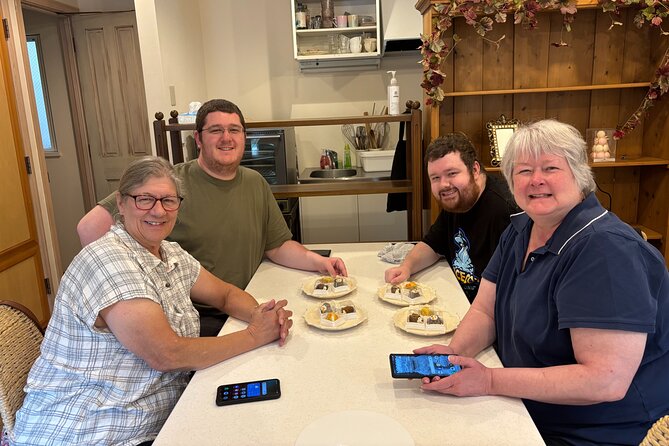
The meeting point is in Setagaya City: 3-chōme-20-4 Kitazawa, Setagaya City, Tokyo 155-0031. But here’s the key logistics detail: the class will basically be held at the kitchen in Shimokitazawa. If that space isn’t available, the class may move to a kitchen near Toritsudaigaku Station.
So how do you handle this without stress? After you book, the instructor sends an email with the event location details. If you like planning, keep an eye on that email and use it as your source of truth for that day.
This matters because Setagaya-ku can feel like a patchwork of neighborhoods. Shimokitazawa is a classic pick for a post-class wander, and Setagaya is packed with local streets and casual spots you’d miss if you only stayed on the main tourist lines.
Plan to do something simple after class: walk around Setagaya-ku, browse small shops, grab a drink, and let your hands-on experience sink in while you see the everyday Tokyo that surrounds it.
Price and value: what $65.69 gets you
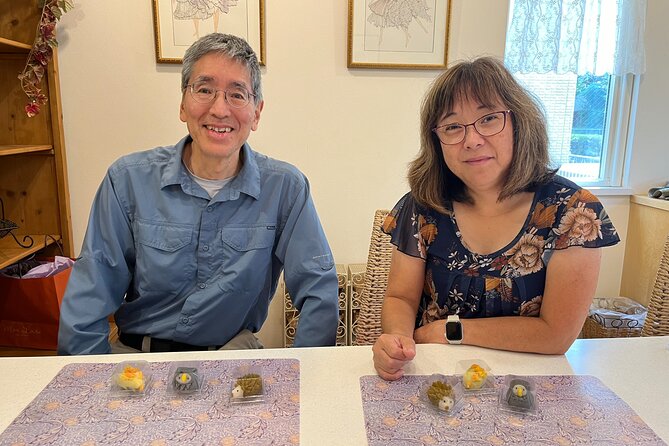
At $65.69 per person, this class is priced like a focused, short workshop. The real question is value, and here the inclusions do the heavy lifting.
You get:
- a small-group class with personal attention
- all ingredients and tools you’ll need (you’re not shopping for supplies)
- instruction for making three types of seasonal kneaded dough
- matcha prepared by the instructor
- the option to eat the nerikiri on the spot
- packets for taking your nerikiri home
That inclusion list is exactly how you avoid “cheap-but-not-really” experiences. You’re paying for guidance and materials. You’re also paying for the fact that it’s capped at 8 travelers, which usually means you’re not lost in a big classroom.
There’s also mention of group discounts, and the class includes mobile ticketing plus standard confirmation timing after booking. The net effect: for the time you spend (about 90 minutes), you’re getting a lot more than a demonstration. You leave with sweets made by your own hands.
Also note the schedule demand: on average, it’s booked 34 days in advance. That’s not proof you must book far ahead, but it’s a strong hint that spots can disappear in peak periods.


The details that change your experience (in good and annoying ways)
The class has a couple of notes that are worth reading because they can affect what you walk out with.
Specific shapes depend on your request and timing. If you want an owl or a needle mouse, you must let the organizers know when you send your email request. Even then, the note says they may not be able to meet your request depending on application time. Translation: if that design is a must, contact them sooner rather than later.
The session location can shift. Shimokitazawa kitchen is the baseline, but Toritsudaigaku Station is the backup. Again, the instructor emails you with the correct location.
You’re making seasonal items. Without a special request, you’ll make what matches the season. That’s part of the appeal, but it also means you can’t pick from a menu of designs.
Finally, remember the timeframe: it’s about 1 hour 30 minutes. It’s a great length for a vacation day because you won’t lose your whole afternoon. But if you’re the type who wants to take slow, perfect photos for 45 minutes during the process, you might feel a little rushed.
Who should book (and who might not love it)
I think this is a great fit if:
- you want a hands-on cultural activity in Tokyo, not just another tasting
- you like learning why something is made a certain way
- you’re a beginner who wants clear guidance
- you’re traveling with a friend or family and want shared time that doesn’t require perfect Japanese
It may be less ideal if:
- you only want a quick bite-size snack experience
- you’re looking for a long cooking session where you refine multiple techniques beyond nerikiri shaping
- you have very specific design demands and aren’t willing to request them early
Still, the class is explicitly set up with beginners in mind, and the small-group size supports that.
Should you book this Tokyo nerikiri and matcha class?
If you want a short, practical, culturally flavored Tokyo moment, I’d book it. This is one of those activities that pays off immediately: you make the sweets, you drink the tea, and you can take your creations home. At $65.69, the value looks strongest when you’re the kind of person who actually likes learning by doing.
I’d especially recommend it if you’re staying around Setagaya or you’re happy to build a half-day around Shimokitazawa. The neighborhood walk after class turns the workshop into a fuller experience.
Just do two things before you go:
- If you care about a specific shape like owl or needle mouse, email your request early.
- Watch for the instructor’s location email so you arrive at the correct kitchen day-of.
FAQ
How long is the nerikiri and matcha class in Tokyo?
The class time is approximately 1 hour 30 minutes.
Where does the class start, and can the location change?
It starts at 3-chōme-20-4 Kitazawa, Setagaya City, Tokyo 155-0031. The class is basically held at a kitchen in Shimokitazawa, but if it is not available it may be held near Toritsudaigaku Station. The instructor emails details after you book.
What will I make during the class?
You’ll make three types of seasonal kneaded dough (seasonal nerikiri). The class notes also mention kneaded rice balls according to the season.
Can I request a specific design like an owl or a needle mouse?
Yes. The notes say you can request an owl and a needle mouse by emailing when you send the request. Availability depends on the application time.
Is matcha included?
Yes. After the class, the instructor prepares matcha, and you can enjoy it along with what you made.
Will I be able to take the desserts home?
Yes. Packets for taking your nerikiri home are provided.
Is there free cancellation?
Yes. You can cancel for a full refund up to 24 hours before the experience starts.