REVIEW · THE BRIDGE COLLECTION
Porto: Art of Drinking WOW Museum – Drink Through History
Book on GetYourGuide →Operated by The World of Wine (WOW) · Bookable on GetYourGuide
Drinking has a storyline. At Porto’s WOW Museum, the Bridge Collection uses 2,000+ drinking vessels to trace how people partied, prayed, traded, and showed status from deep ancient times to later eras. I like the sheer scale of the collection, and I also like how clearly the experience ties each object to a human reason for drinking, not just the object itself.
You’ll spend about 90 minutes moving through the museum at your own pace with an audio guide in several languages. One possible drawback: it’s focused on history and artifacts, so if you’re hoping for a tasting-heavy experience, this is more about the culture behind the cups and glasses than samples.
In This Review
- Key highlights at a glance
- Entering WOW Porto’s Bridge Collection: where the visit starts
- The Art of Drinking: 6,000 BC to later turning points
- The 2,000+ vessels you’ll actually notice the most
- Emperors, popes, princes: why ownership matters in a museum like this
- The audio guide: the difference between looking and learning
- How the museum turns drinking into a human timeline
- Duration and timing: plan 90 minutes, but give it room
- Price and value: is $18 worth it?
- Practical tips for a smooth visit (and better photos)
- Who should book WOW Porto’s Art of Drinking?
- Should you book this experience?
- FAQ
- Where is the meeting point for the ticket?
- How long does the experience last?
- What is included with the museum entry?
- What languages are available on the audio guide?
- How much does it cost?
- Is pickup or drop-off included?
- Are gratuities included in the price?
- What are the museum hours?
- Do bank holidays affect opening hours?
- Is the museum wheelchair accessible?
Key highlights at a glance
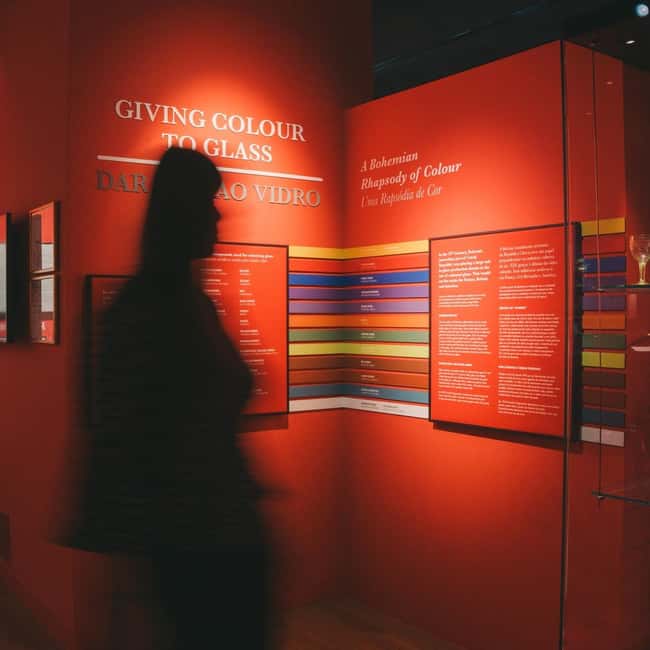
- 2,000+ vessels and glasses spanning thousands of years, with pieces tied to specific customs
- 6,000 BC origins helps you see how old the ritual of drinking really is
- Multilingual audio guide in English, Portuguese, French, and Spanish
- A private collection that includes items once owned by emperors, popes, aristocrats, and others
- Symbolic objects that connect wealth, culture, and everyday life through time
Entering WOW Porto’s Bridge Collection: where the visit starts
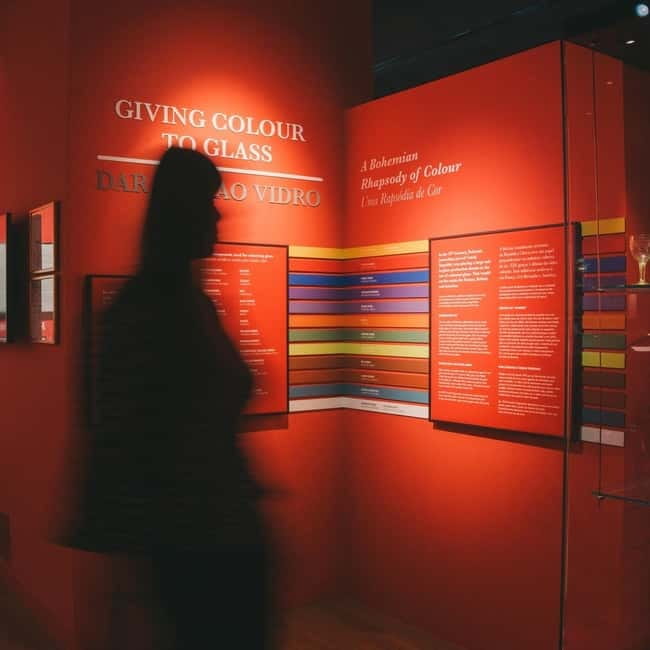
The museum is called The Bridge Collection, and it sits inside the larger WOW complex in Porto. Your job is simple: show your ticket at the entrance and start the experience right there. Because it’s inside the WOW site, you don’t feel like you’re hunting across town to find it. It’s an easy stop if you’re already planning time around the WOW area.
When you arrive, grab your bearings fast and make space for slow looking. The museum’s appeal is visual and story-based. Even if you’re the type who normally breezes through rooms, this one tends to pull you in because the items range from very early drinking forms to later ceremonial designs. You can treat it like a quick history lesson, or you can treat it like a guided conversation you control with your audio.
The Art of Drinking: 6,000 BC to later turning points
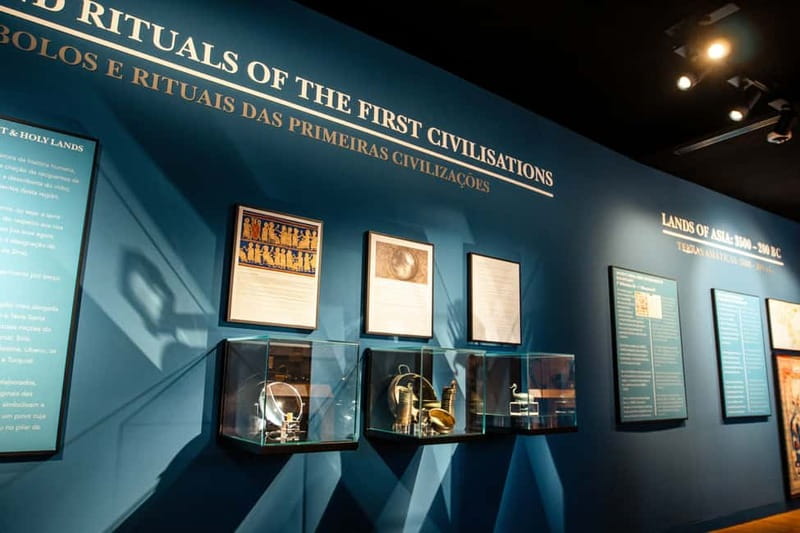
What makes the Bridge Collection clever is that it doesn’t treat drinking as a throwaway theme. It frames drinking as a social tool. Over time, drinking vessels became signals: for power, religion, wealth, and identity.
You can expect a timeline feel to the galleries, with the story reaching back to 6,000 BC and then moving through major periods, including the Roman Empire and later industrial-era influence. That broad sweep is useful for you if you’re the kind of person who likes cause-and-effect. You start to see patterns: people invent new materials and shapes, but the reason for the ritual stays human—status, ceremony, and community.
This is also where the museum’s theme makes sense for Porto. The experience is presented as a broad view of how drinking customs evolved, not just one local tradition. If you’ve already learned a few things about Portugal’s wine culture in other stops, this adds a different lens by focusing on the vessels and ceremonies instead of only the liquid.
The 2,000+ vessels you’ll actually notice the most
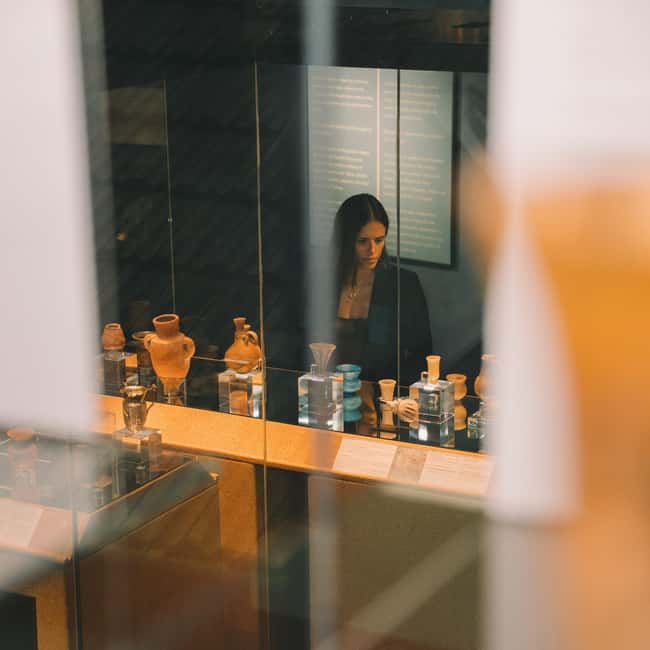
You’re going to see more than 2,000 rare and symbolic vessels and glasses during your visit. That’s the headline number, but the real value for me is what that scale does to your perspective. When you move from one artifact to the next, you begin comparing details you might miss in a smaller museum: shapes that suggest a specific kind of ceremony, styles that reflect status, and symbolic designs that weren’t meant for every day.
Some exhibits are likely to feel familiar, in the sense that your brain recognizes the purpose: drinking, serving, presenting. Others may feel surprising—early designs can look unusual if you expect modern forms. That contrast is part of the point. It helps you understand that drinking rituals have always depended on objects. People didn’t just pour drinks; they built meaning into containers.
Also, the museum is specific about symbolism. It’s not only showing you what the vessels look like—it’s connecting them to what they meant for the people who used or owned them. For you, that turns a collection of curiosities into something closer to cultural storytelling.
Emperors, popes, princes: why ownership matters in a museum like this
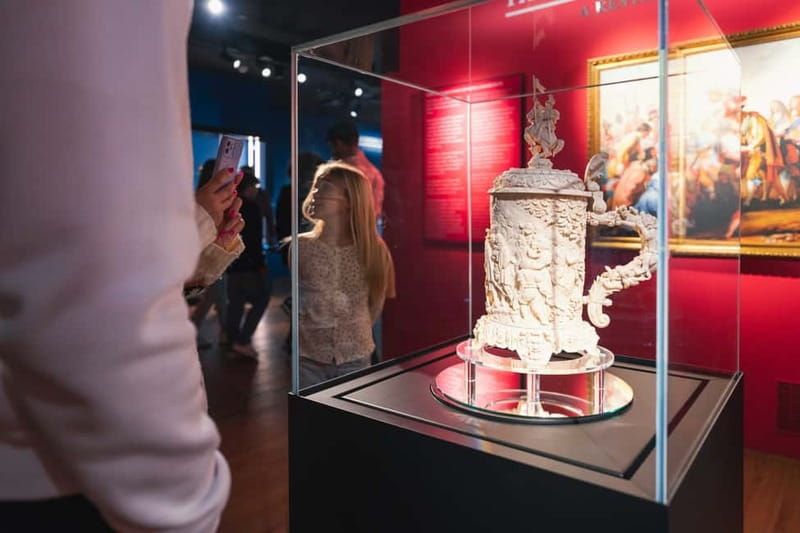
One reason this experience ranks high is the way it links objects to big names. You’ll encounter artifacts described as once owned by emperors, popes, princes, and aristocrats. In a typical museum, that kind of ownership information can feel like trivia. Here, it’s actually useful.
Because the museum is about drinking customs, ownership becomes a clue. If a vessel belonged to a powerful figure, it likely played a role in ceremony—formal gatherings, religious contexts, or displays of authority. If it belonged to someone higher up in the social ladder, it would reflect wealth and the right to host, judge, and be seen.
This matters for you if you’re trying to understand history beyond dates. The Bridge Collection nudges you toward the daily reality of power. Who gets to drink from what? Who gets invited to ceremonies? What objects helped define rank in a room? You start answering those questions just by paying attention.
The audio guide: the difference between looking and learning
The museum includes an audioguide, available in English, Portuguese, French, and Spanish. That’s one of the smartest inclusions, because it lets you control pace. You can spend an extra few minutes when something catches your eye, without feeling stuck in a rigid group tour rhythm.
For me, the best part is how the audio ties each artefact to a custom, ceremony, or tradition. Instead of leaving you staring at glassware like it’s a craft exhibit, it tells you why the vessel mattered. That’s the practical difference: you’ll walk out with more than photos. You’ll have a mental map of what each stage of the timeline was trying to communicate.
If you’re choosing a language, pick the one that lets you follow the story without effort. You’ll get more value from the museum if you don’t have to translate internally the whole time.
How the museum turns drinking into a human timeline
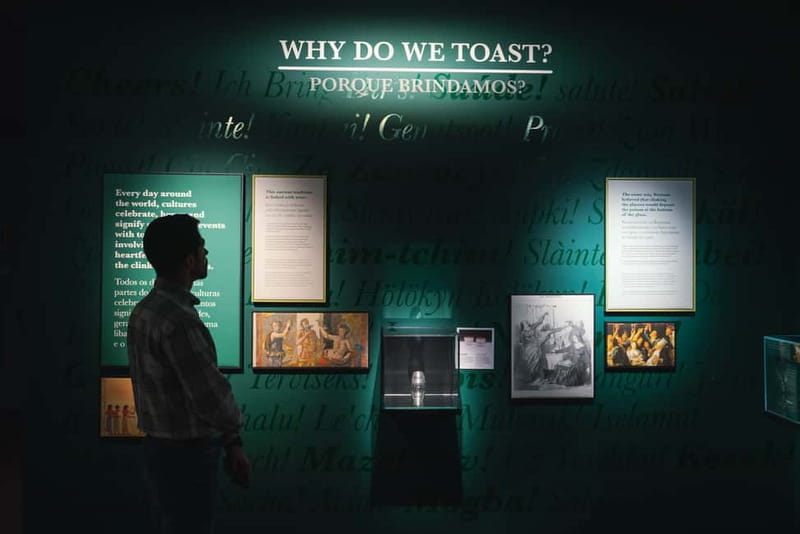
A lot of museums have objects, but fewer turn those objects into a readable timeline. Here, the museum’s theme makes that possible. Drinking is universal, so you can track cultural change through something you already understand. Then the artifacts do the work of showing you how belief systems, social rules, and technology shaped what people used to drink.
You’ll see how the museum connects vessels to everyday life and wealth, not only grand ceremonial events. That balanced approach is what keeps this from becoming a museum of shiny objects. It’s a history of behavior—the rituals people built around drinking, and how those rituals evolved as societies changed.
You’ll also get a sense of how the material world reflects culture. Even without technical details, the shapes and symbols help you infer values: who wanted to look impressive, who needed a vessel for specific rituals, and how form helped communicate meaning.
Duration and timing: plan 90 minutes, but give it room
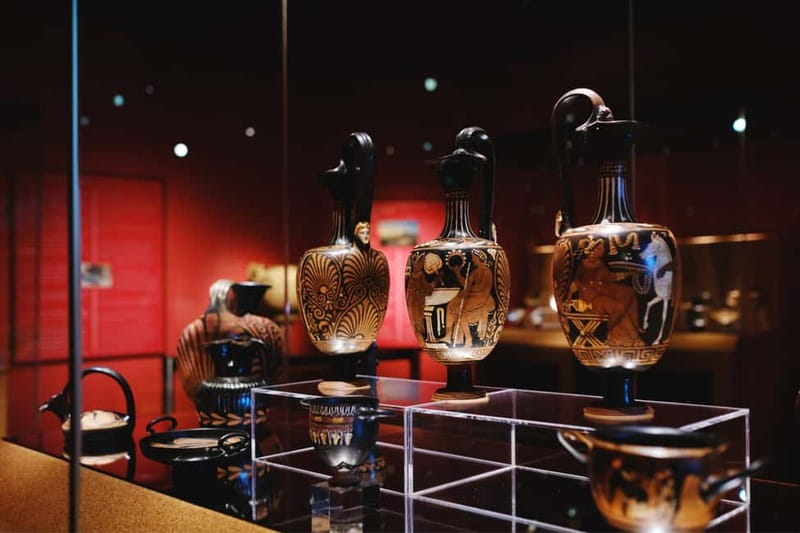
The ticket is set for 90 minutes. That’s a reasonable amount of time if you like to keep moving and catch the main story beats.
But I’d still give yourself flexibility. If you’re the type who stops to read, listens to multiple segments of the audio, and takes a few slower looks, you may find 90 minutes feels tight. In practice, many people tend to spend closer to 2 hours when they go at a comfortable pace through the exhibits.
Here’s how to plan your day: build it as a dedicated museum block, not a rushed between-stop detour. If you’re pairing this with other WOW-area activities, you’ll enjoy the day more if you don’t schedule back-to-back time blocks right on the hour.
Price and value: is $18 worth it?
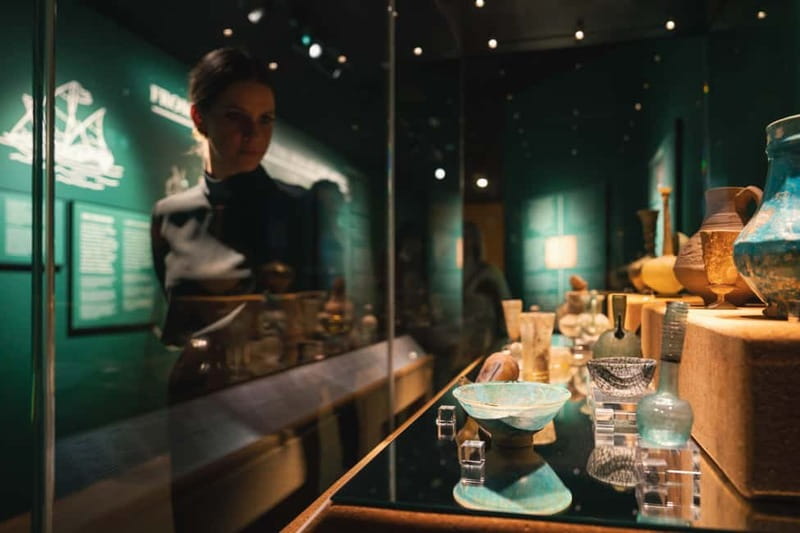
At $18 per person, this experience is priced like a focused museum ticket. The value comes from three things you actually get:
- access to a collection described as one of the finest worldwide in its category
- an included audioguide in multiple languages
- story-driven context that connects artifacts to customs and ceremonies
If you love history, but you also hate museums that feel like straight reading, this one hits a better balance. The theme is instantly accessible—everyone drinks, even if customs differ—so the audio and objects feel like they’re teaching you in an approachable way.
If you’re strictly shopping for entertainment, you might consider whether you enjoy artifact-based museums. This is not built around hands-on activities or modern spectacle. It’s built around looking carefully and listening as the stories unfold.
For the right mindset, the ticket price feels fair because you’re paying for depth and scale, not just entry.
Practical tips for a smooth visit (and better photos)
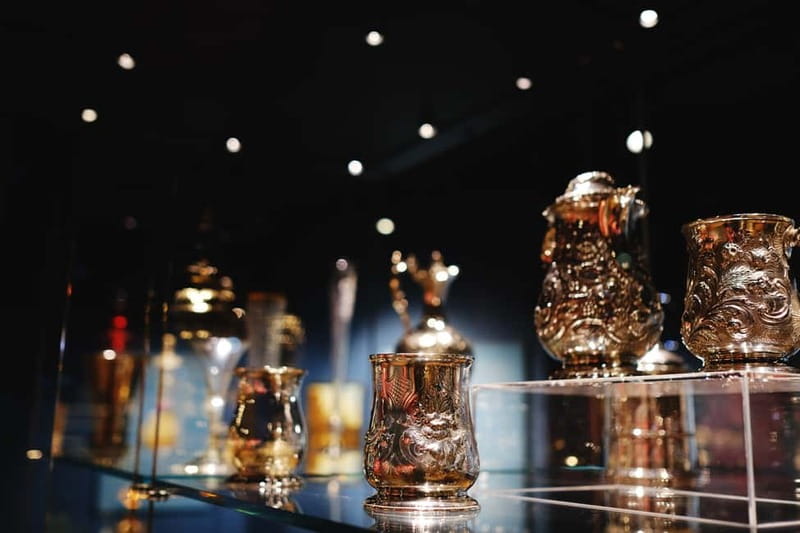
A few small choices can make your visit feel calmer and more interesting:
- Go in with one goal: decide whether you want the timeline story or the symbolism story. You can do both, but picking one keeps you from feeling overwhelmed.
- Use the audio guide in short sections. Start listening near the beginning of a gallery, then stop and look with your eyes before continuing.
- If you’re sensitive to crowds, plan for earlier or later slots on the open days. The museum is open daily, so you can match it to your energy level.
The museum hours are 10:00 AM to 07:00 PM with last entrance at 7:00 PM. Bank holidays may shift hours, so check ahead if you’re visiting on a holiday—this kind of place can change timings.
For the meeting point: show your ticket directly at The Bridge Collection. That’s your only step, and it keeps things stress-free.
Who should book WOW Porto’s Art of Drinking?
This is a great fit if you:
- enjoy museums where objects carry stories
- like cultural history that explains how people lived and signaled status
- want something different from the usual wine-only Porto route
- prefer an audioguide so you can move at your own pace
It’s also good if you’re traveling with someone who might not want a pure walking tour. This is indoors, story-based, and set up so you can pause often without feeling lost.
If you’re the type who needs hands-on activities to feel engaged, you might want to pair this with a more interactive stop. But if you enjoy artifacts and narrative context, you’ll likely have a satisfying visit.
Should you book this experience?
I think you should book it if your idea of a great museum day includes both visual impact and explanations tied to culture. The Bridge Collection’s main strength is that it connects drinking vessels to human rituals—so you’re not just looking at old objects, you’re learning why people used them and what those customs meant.
If you dislike museums that are mostly viewing and audio, then this one may feel like too much stillness for your tastes. But if you’re curious about how societies expressed power, faith, and identity through everyday rituals, this ticket gives you an efficient, focused way to experience it—without complicated planning.
FAQ
Where is the meeting point for the ticket?
You should show your ticket directly at The Bridge Collection.
How long does the experience last?
The duration is 90 minutes.
What is included with the museum entry?
Included are the Art of Drinking – The Bridge Collection Museum entry ticket, an audioguide (Portuguese, English, Spanish, French), and insights into the history, traditions, and rituals connected to the pieces.
What languages are available on the audio guide?
The audioguide is available in Portuguese, English, Spanish, and French.
How much does it cost?
The price is $18 per person.
Is pickup or drop-off included?
No, pick-up & drop-off is not included.
Are gratuities included in the price?
No, gratuities are not included.
What are the museum hours?
The Bridge Collection is open daily from 10:00 AM until 07:00 PM, with last entrance at 07:00 PM.
Do bank holidays affect opening hours?
Yes, opening hours during bank holidays may vary, so you should check the official website.
Is the museum wheelchair accessible?
Yes, the museum is wheelchair accessible.