REVIEW · THE BRIDGE COLLECTION
Porto: Entry Ticket at WOW – The Art of Drinking Museum
Book on GetYourGuide →Operated by The World of Wine (WOW) · Bookable on GetYourGuide
Porto has enough wine stops, but this one tells the story behind the sip. At WOW, The Art of Drinking Museum maps 8,000 years of human life through more than 2,000 vessels and glasses. It is a smart change of pace: history you can see, not just read.
What I like most is the sheer scale of the collection. You get a private, rare mix that reaches back to around 6,000 BC, plus artefacts linked to emperors, popes, princes, and aristocrats. I also appreciate the included audioguide, offered in Portuguese, English, Spanish, and French, so you can control how fast you go.
One thing to factor in: the visit is listed at 1.5 hours, and the museum has last entrance close to closing time. If you tend to read every label, you may want a mid-day slot so you do not feel rushed.
In This Review
- Key points before you go
- Tickets at The Bridge Collection: what you’re really buying
- The museum’s core idea: 8,000 years told through drinking rituals
- More than objects: what the vessels reveal about social class and culture
- Handling the pace: 1.5 hours vs real-world time
- Making the audio guide work for you
- Where it fits in Porto: a smart alternative to another wine stop
- What you’ll probably notice most as you walk through
- Should you book this ticket?
- FAQ
- Where do I show my ticket?
- How long does the museum visit take?
- What is the price?
- Is an audio guide included?
- What are the museum opening hours?
- Can I use my ticket any time on my chosen date?
- Are there different starting times?
- Is there free cancellation?
- Is there a reserve now, pay later option?
- Is the museum wheelchair accessible?
Key points before you go
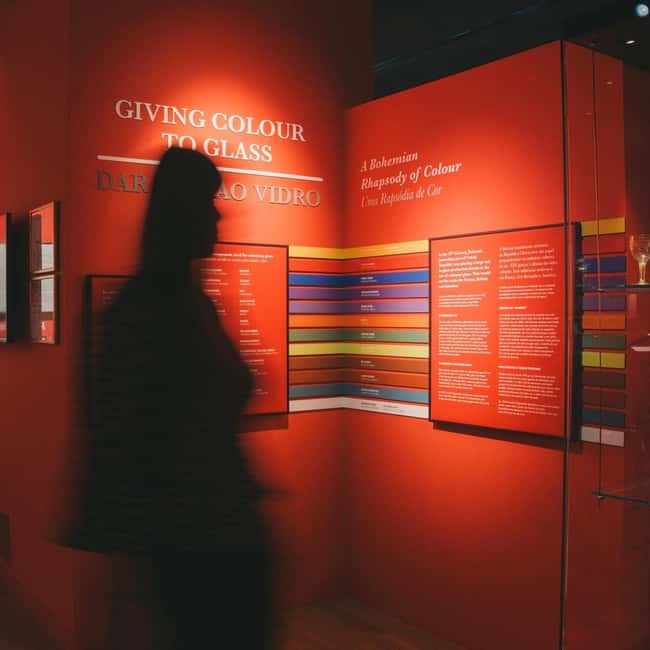
- The private collection angle: You are not looking at a random display. You are walking through a curated long-form collection tied to drinking culture.
- Time span from 6,000 BC onward: The story stretches from early civilizations through the Roman Empire and into the Industrial Revolution.
- Over 2,000 vessels and glasses: It is visually heavy in the best way, with plenty to spot and compare.
- Customs and ceremonies, not just objects: Each artefact is explained through the rituals behind it.
- Use the audioguide to pace yourself: Four language options mean you can focus without crowds of jargon.
- You go in through The Bridge Collection: Your ticket check happens there, and you finish back at the same starting point.
Tickets at The Bridge Collection: what you’re really buying
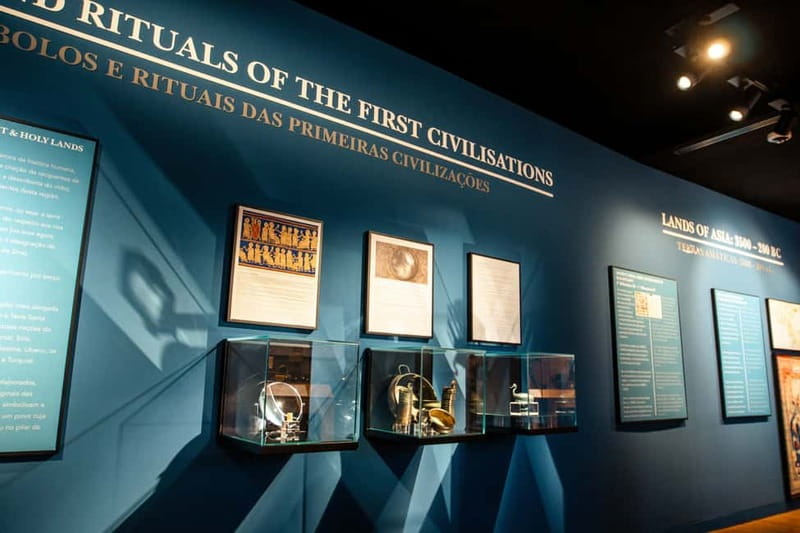
When you pay for this entry ticket, you are buying access to a focused museum experience inside the WOW (World of Wine) complex in Porto. Your job is simple: show your ticket directly at The Bridge Collection, then follow the flow through the museum.
For about $20 per person, the value comes from how many artefacts you get to see in one ticketed visit. This is not a quick hallway exhibit. You are spending roughly 1.5 hours in a place that emphasizes quantity (more than 2,000 pieces) and depth (8,000 years of drinking history). In other words, it is a good “one-stop” culture stop if you want something different from another wine tasting.
Also, this is one of those tickets that fit real travel styles. Your ticket is valid for your chosen date during museum opening hours, which helps if you are juggling Porto weather, meal plans, or train times. Just note the museum is open daily from 10:00 AM to 07:00 PM, with last entrance at 07:00 PM.
The museum’s core idea: 8,000 years told through drinking rituals
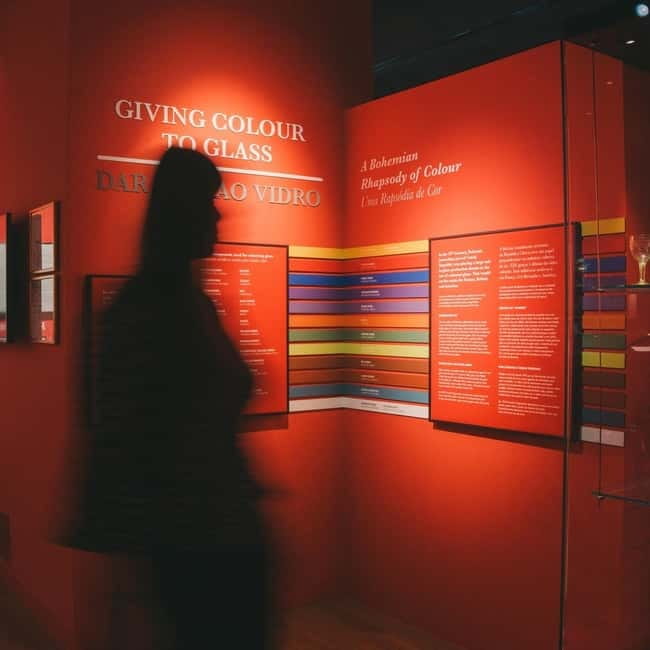
The Art of Drinking Museum is built around a surprisingly universal theme: humans have always used drinking as a social tool. That means the objects are not just decorative. They are clues about who had access, how people celebrated, and how everyday life worked for different classes.
You will see drinking vessels and glasses that go back to around 6,000 BC, and the story moves forward through major turning points. Expect coverage that includes early civilizations, the Roman Empire, and later shifts that connect to the Industrial Revolution. The museum structure is thematic, so you are not only looking at dates—you are looking at habits.
The standout is the way the museum connects the artefacts to meaning. The highlights emphasize the customs and ceremonies behind each piece, and that is the difference between a “show and tell” display and a true narrative. You start to notice patterns: how certain shapes signal status, how materials reflect wealth, and how rituals turn an ordinary activity into something ceremonial.
And yes, the collection includes the kinds of names you expect to hear around power. You are told that vessels once belonged to emperors, popes, princes, and aristocrats. Even if you are not a full-time history buff, that angle helps you read the objects with your brain switched on.
More than objects: what the vessels reveal about social class and culture
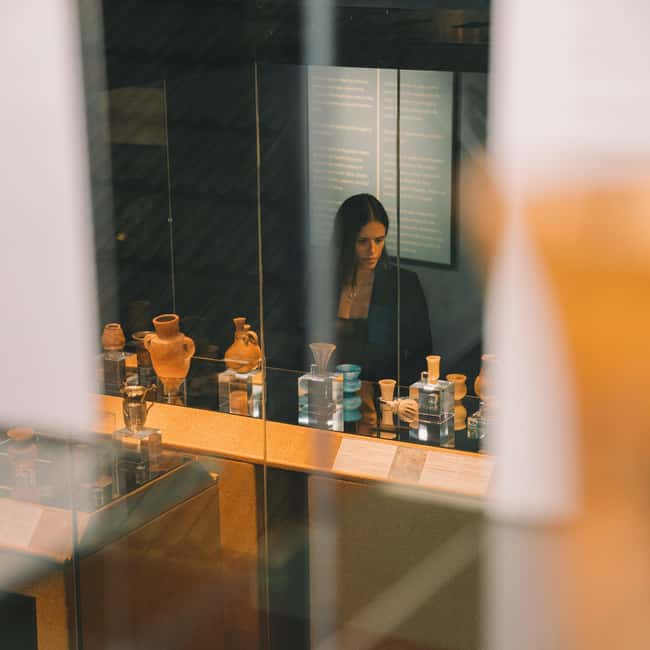
Here is the clever bit: drinking vessels are basically portable status symbols. A fancy cup, a ritual goblet, or a ceremonial set is a way to control an event. It is about who hosts, who participates, and how the moment is remembered.
As you move through the collection, you get a sense of wealth and culture showing up in physical form. The museum’s messaging is that these artefacts symbolize daily life as well as celebration and rank. That means you should pay attention to details beyond the “wow” factor.
Practical way to enjoy it:
- Look for signs of purpose. Some items feel made for display and ceremony, while others look built for regular use.
- Compare shapes across eras. Even when the theme stays the same (drinking), the design language changes.
- Let the explanations guide your attention. When you understand the ritual, the object stops being a standalone thing.
This is also a museum that works even if you are not from Portugal. The theme is global, but the collection is framed as part of Portugal’s best-known references in this niche. If you care about culture that is not just sightseeing, you will like the focus.
Handling the pace: 1.5 hours vs real-world time
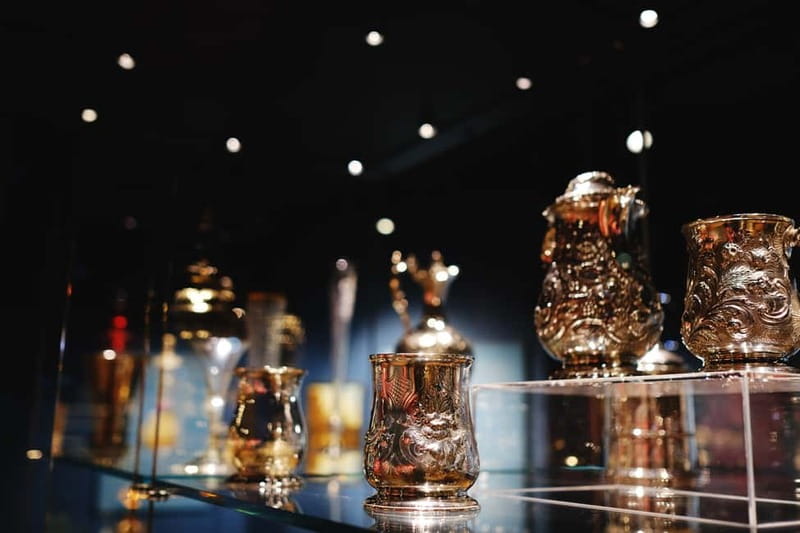
The experience is listed at 1.5 hours, and you should plan your day accordingly. That said, there is a practical reality to museums like this: if you slow down to read, you can easily stretch it.
A good rule: if you like to take your time, budget closer to 2 hours. The museum’s length is driven by its density—over 2,000 items is a lot of visual information, and the explanations are part of the point. If you arrive right before the last entrance, you can end up rushing the story, which defeats what the museum is offering.
Timing tips that keep this stress-free:
- Pick a mid-day slot if your schedule allows, so you are not racing the clock.
- If you are combining Porto sights, pair this with something calmer after, like a relaxed coffee break. You will likely want a breather after the long timeline.
- Use the audioguide to set your tempo. You can always speed up for parts that are less relevant to you.
Making the audio guide work for you
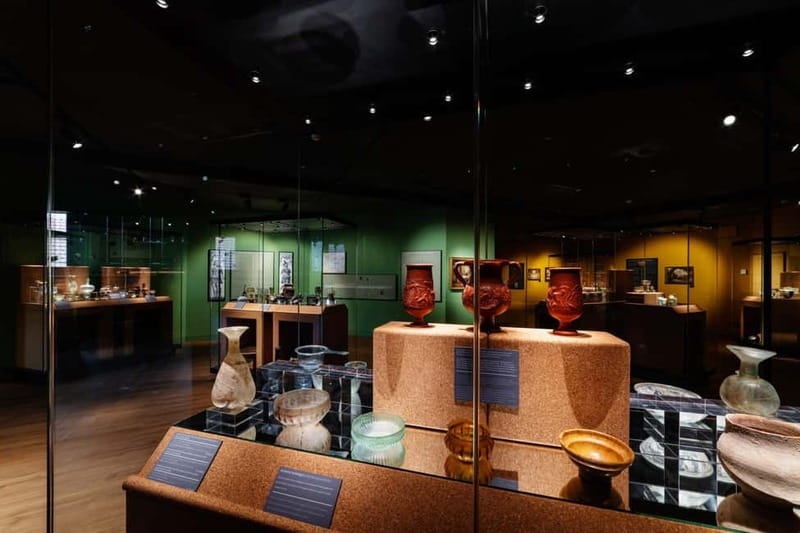
The audio guide is included, and it is available in English, Portuguese, French, and Spanish. That matters because the museum’s value is not just in the objects—it is in the explanations of customs, ceremonies, and symbolism.
How to use it without turning it into homework:
- Start with a language you can follow comfortably for longer stretches.
- When an explanation feels important, stay put for an extra minute and look at the object again. The meaning will usually click faster the second time.
- If you are short on time, do not worry about hearing every minute. You can focus on the highlights that match what you care about most: ritual, class, or materials.
One smart approach is to let the audioguide steer your “questions.” For example, you might catch yourself wondering: Why did someone choose that shape for drinking? What did that ceremony communicate? That is how you get real enjoyment out of a collection like this.
Where it fits in Porto: a smart alternative to another wine stop
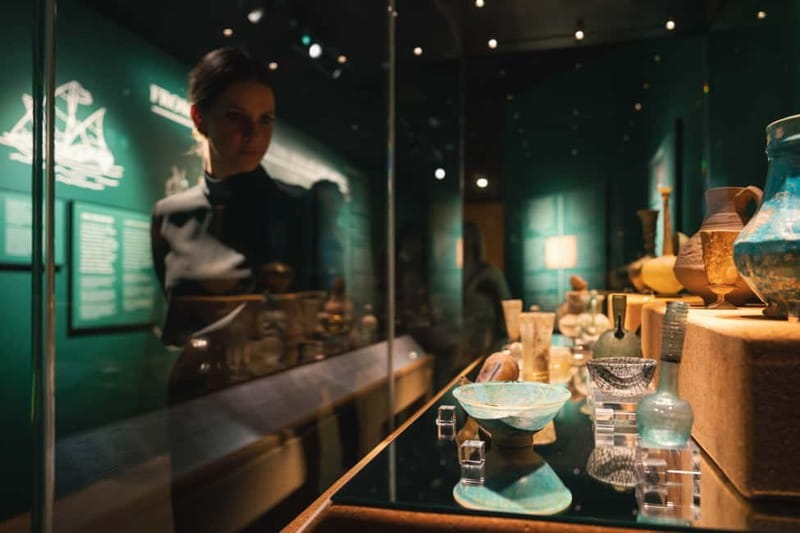
Because this museum lives in the WOW complex, it is easy to pair with other nearby activities, especially if you like the wine-and-culture theme but want variety. This is not a tasting. It is history and design—wine-adjacent thinking, but with a different rhythm.
If you want a day with balance, I’d treat it as a cultural anchor. The experience gives you a structured story, then you can spend the rest of your day exploring Porto at your own pace. Also, since the museum is open until 07:00 PM, it can work for an afternoon slot when the light is good and you do not want to be outside constantly.
Best matches:
- History and museum lovers who want something themed but not dry.
- Wine and culture travelers who feel tired of only tasting.
- Curious people who like learning how objects reflect society.
Possible mismatch:
- If you hate museums and only want hands-on activities, you may find this too “look and read.” The payoff is in attention and context.
What you’ll probably notice most as you walk through
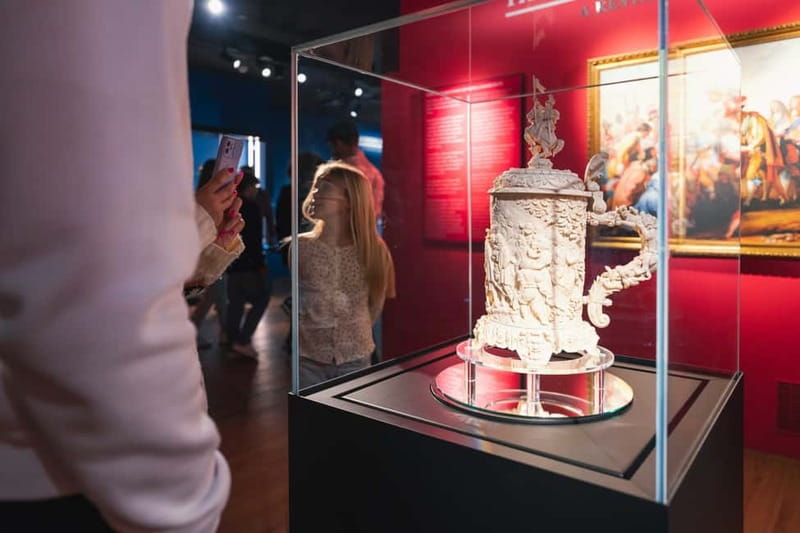
Even without listing every room, you can expect the collection to create a clear feeling: drinking changes with time, but it never loses its social role. You will likely notice three things quickly.
First, the range of eras forces you to compare. Going from very early periods into later empires and industrial changes highlights how technology, trade, and status evolve.
Second, the emphasis on rituals makes the artefacts feel alive. Instead of staring at glassware, you start imagining the ceremony around it: who gathered, what the moment meant, and why a specific vessel mattered.
Third, the “once owned” angle (emperors, popes, aristocrats) gives your brain a hook. Power is easier to understand when it is tied to daily objects—things people actually used.
Should you book this ticket?
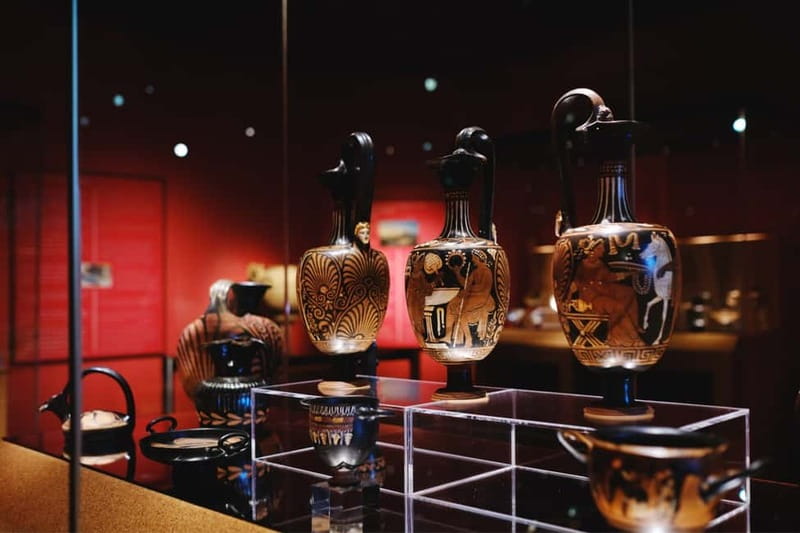
If you want a single, concentrated cultural stop in Porto that explains why drinking rituals matter, I think this is a solid booking. For $20, you are getting access to a large-scale collection (over 2,000 vessels) covering a huge time span (8,000 years) with an included audioguide that helps you actually understand what you are seeing.
Book it if:
- You like museums with a clear theme.
- You want more meaning than a standard wine visit.
- You are comfortable spending about 1.5 hours reading and looking.
Skip it if:
- You only want interactive activities or quick photo stops.
- You do not enjoy museum explanations and prefer experiences with minimal storytelling.
If that sounds like you, choose a time early enough in the day that you can take your time with the story—because this one rewards slow attention.
FAQ
Where do I show my ticket?
Show your ticket directly at The Bridge Collection. That is also where the activity ends.
How long does the museum visit take?
The experience is listed at 1.5 hours. Check availability to see starting times.
What is the price?
The price is $20 per person.
Is an audio guide included?
Yes. An audioguide is included in Portuguese, English, Spanish, and French.
What are the museum opening hours?
The Bridge Collection is open daily from 10:00 AM to 07:00 PM (last entrance).
Can I use my ticket any time on my chosen date?
Yes. You can use your ticket anytime on the selected date during museum opening hours.
Are there different starting times?
Yes. You should check availability to see starting times.
Is there free cancellation?
Yes. You can cancel up to 24 hours in advance for a full refund.
Is there a reserve now, pay later option?
Yes. You can reserve now & pay later, meaning you can book your spot and pay nothing today.
Is the museum wheelchair accessible?
Yes. The experience is wheelchair accessible.