REVIEW · LONDON
Booze, Brothels & the Bard: London’s Bawdy Borough
Book on GetYourGuide →Operated by Historic London Tours · Bookable on GetYourGuide
London’s most notorious neighborhood, on foot. This 2-hour walk through Southwark turns Borough and Bankside into a living timeline, from Roman-era reputation to Shakespeare’s street-level drama. I like the way the guide keeps the pace tight and the stories sharp, with named stops that help you picture a thousand years of London.
My favorite part is the mix of “what happened here” and “what’s left to see” at each location, including two notorious prisons and the remaining traces of Winchester’s medieval palace. I also really like the theater angle: you’re not just hearing about Shakespeare—you’re walking the route to the Globe and seeing the old and new sites tied to the Bard.
One thing to consider: the theme is adult and sometimes seedy by design, so it’s not suitable for children under 13, and it’s a walking tour (about 2 miles total). If you want a clean, family-friendly history tour, pick something else.
In This Review
- Key highlights you should care about
- Why Southwark Earned the Bawdy Borough Reputation
- Price and Logistics for a 2-Hour, 2-Mile Walk
- Prison History: Marshalsea and the Clink in Real Walking Distance
- Borough Market, Pub Life, and the Old Operating Theatre Stop
- Winchester Palace Traces and the Walk Toward the Globe
- The Dickens and Shakespeare Connection You’ll Actually Notice
- How to Make the Most of a Short, Story-Driven Tour
- Who This Tour Is For (and Who Should Skip It)
- Should You Book Booze, Brothels & the Bard?
- FAQ
- Where do I meet for the tour?
- How long is the walk, and how far do we go?
- How many people are on the tour?
- What’s included in the price?
- What stops will we visit during the tour?
- Is the tour suitable for children?
- What language is the guide?
- What does the tour cost?
- Can I cancel and get a full refund?
- Is pay later available?
Key highlights you should care about
- A small group cap (15 people) keeps the tour from feeling crowded or rushed.
- Short, frequent stops around Borough and Bankside help the stories land fast and stay clear.
- Marshalsea and the Clink give you two prison histories with visible remains and context.
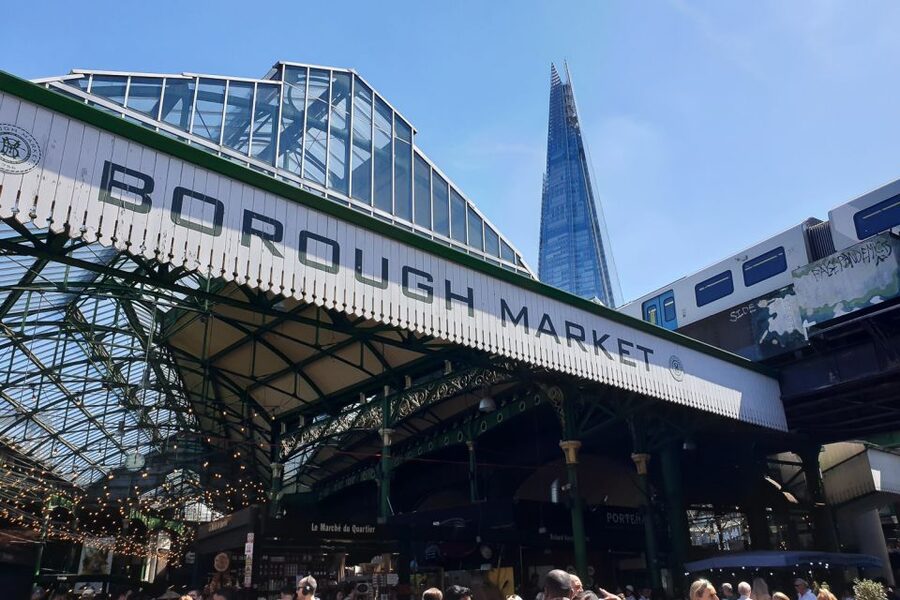
- Borough Market and Southwark Cathedral add everyday life and big-structure history between the darker beats.
- Winchester Palace traces connect the neighborhood to a powerful medieval figure.
- Shakespeare’s Globe (old site + modern theatre) closes the loop from gritty streets to theatre fame.
Why Southwark Earned the Bawdy Borough Reputation
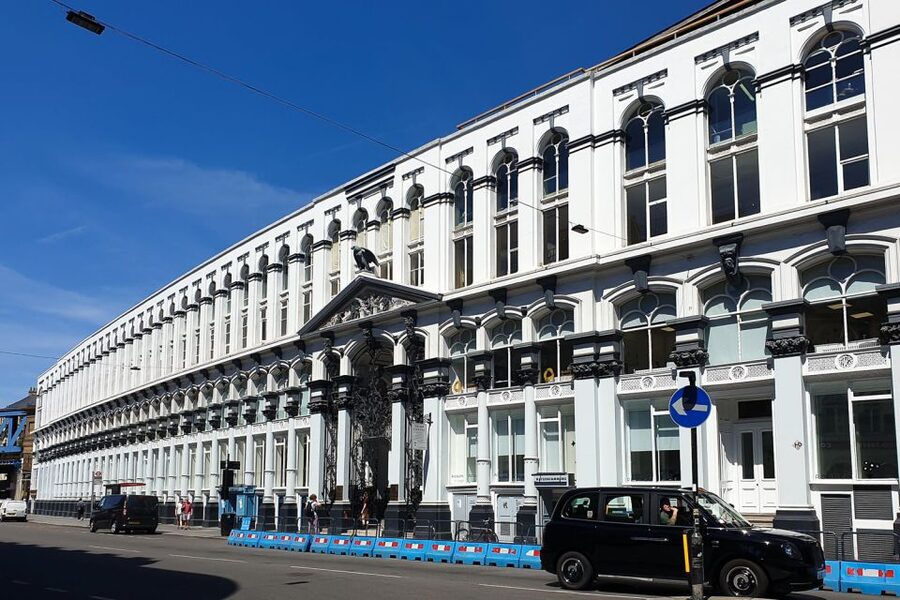
Southwark sits just across the river from the official power center of London, but it wasn’t under the City of London’s rules for centuries. That difference mattered, because it helped make the area a magnet for everything authorities tried to push away—sex work, punishment, and the kind of nightlife that never stays polite for long.
This tour leans into that reality. You’ll hear why the neighborhood took on the nickname London’s Bawdy Borough, starting with early Roman reputation and continuing through medieval and later centuries. The guide also threads in named characters and stories you can picture in one go, including Winchester Geese prostitutes, Charles Dickens, and even a nineteenth-century pub landlady ghost story element.
The result is a route that feels less like a museum lecture and more like walking a plot. You’re not just collecting facts—you’re building a mental map of how the neighborhood’s reputation shaped what people did here and what buildings survived.
You can also read our reviews of more tours and experiences in London.
Price and Logistics for a 2-Hour, 2-Mile Walk
The price is set at about $26 per person for a guided tour lasting roughly 2 hours. For London, that’s a solid deal when you consider you’re getting a live guide for the full time, not just a meet-and-greet, plus a planned sequence of major stops.
The walking itself is manageable. The total distance is about 2 miles, with the tour route around Borough and Bankside, starting near Borough Station and finishing at Shakespeare’s Globe. It’s short enough that most people can do it comfortably, but it’s still a true walking tour, so wear shoes you’d use for city streets.
Group size is also a big quality lever here. Tickets are limited to 15 attendees, which typically means more question time and a guide who can keep everyone together without turning the experience into a cattle line.
Meet just outside Borough Station on Borough High Street, where your guide will be holding a sign for Historic London Tours. The tour ends at Shakespeare’s Globe, which is a smart way to keep momentum—your last steps land on the most famous cultural draw in the area.
Prison History: Marshalsea and the Clink in Real Walking Distance
The tour’s darker spine starts with the Marshalsea Prison. Even when you’re not looking at a huge, intact prison complex, you’ll still get the context for why this site mattered—who ended up here, and how punishment and poverty often tangled together in London life.
Next comes Crossbones Garden, a stop that fits the “underworld” theme without needing you to work too hard to imagine the past. The guide’s job is to connect the modern look of the space to what went on around it, so you leave with a clearer sense of place instead of a vague sense of gloom.
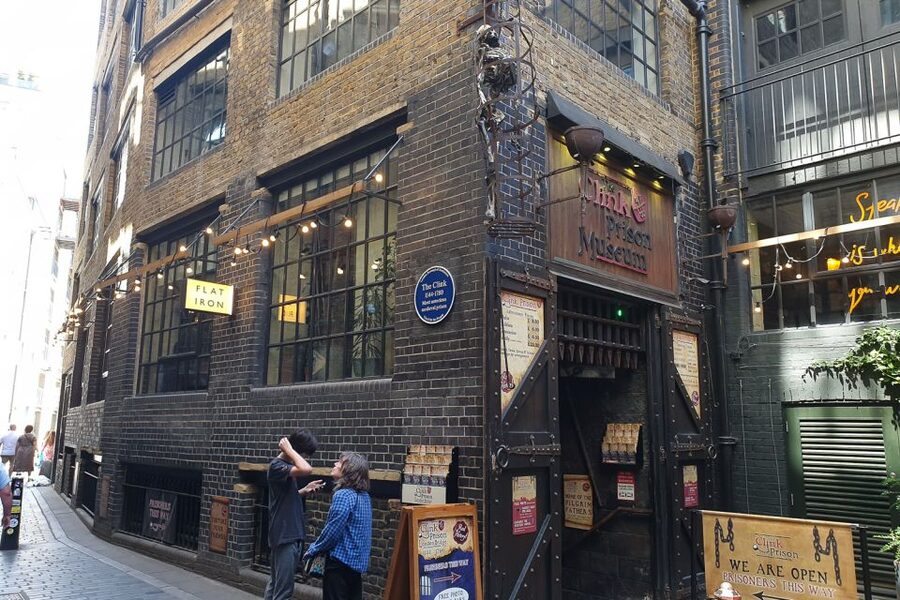
Later, the tour hits the Clink Prison Museum, one of Southwark’s most notorious names. The key here isn’t just hearing that it was a prison—it’s understanding what made these places infamous and what remnants or nearby traces still communicate that history today. That focus on what’s visible is what helps this tour feel grounded, not purely legend.
One practical consideration: because the subject matter is heavy, you’ll get the best experience if you’re comfortable with adult-themed content and incarceration history. The tour isn’t shy about the neighborhood’s seedy reputation, and that tone is part of the point.
Borough Market, Pub Life, and the Old Operating Theatre Stop
After you’ve traveled through prisons and the neighborhood’s reputation, the tour pivots toward everyday London—and the odd surprises that live near major attractions.
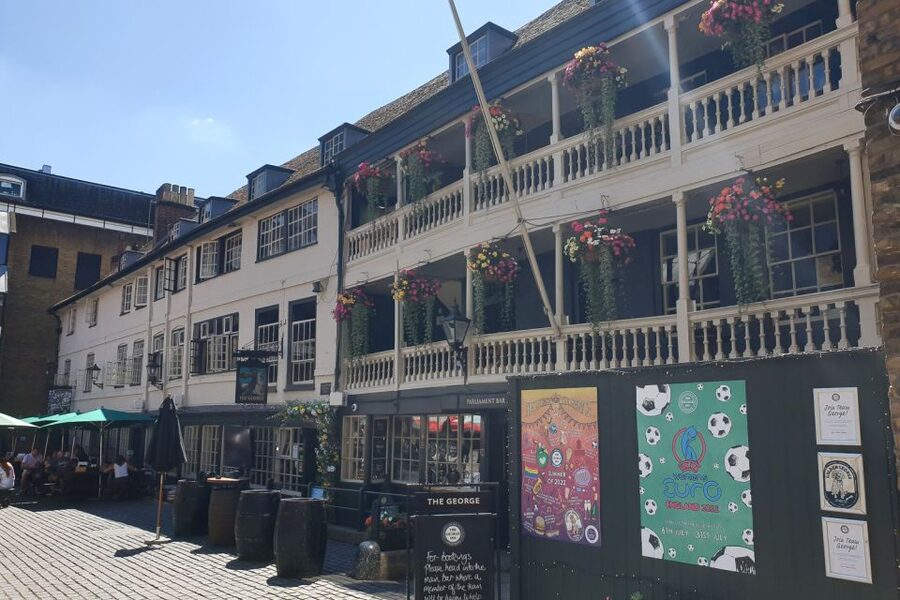
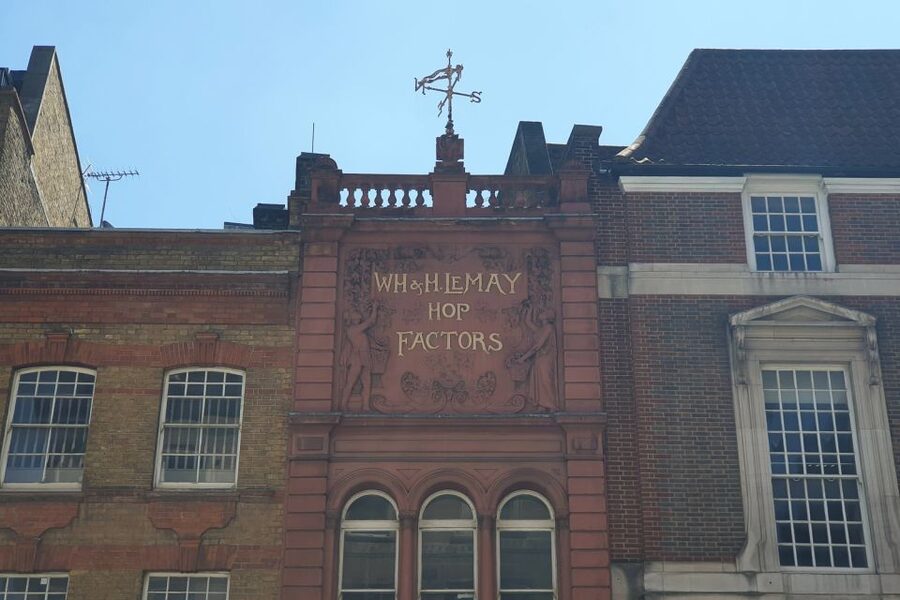
You’ll pass the Hop Exchange and the George Inn area, with the guide using these stops to show how commerce and hospitality sat right alongside the darker elements. The tour description also mentions a ghostly nineteenth-century pub landlady element, which signals the guide will lean into story energy here.
Then you reach Borough Market, London’s largest and oldest market. This is where the neighborhood’s history stops being only about trouble and starts including food, crowds, and the real daily rhythm of Southwark. Even if you’ve been to Borough Market before, a guided walk gives you a better sense of how long this market atmosphere has shaped the area.
Another standout stop is the Old Operating Theatre Museum & Herb Garret. The tour timing is brief, but this is exactly the kind of place where a short guided stop helps you orient yourself—what you’re looking at, why it’s historically notable, and how it fits into the wider neighborhood timeline.
Finally in this midsection, you’ll visit Southwark Cathedral. The guide’s job is to frame the cathedral as part of the same geography that held prisons and markets, not as a separate world. That’s a subtle but valuable shift: you start seeing the neighborhood as a layered system, not a theme park of scary stops.
Winchester Palace Traces and the Walk Toward the Globe
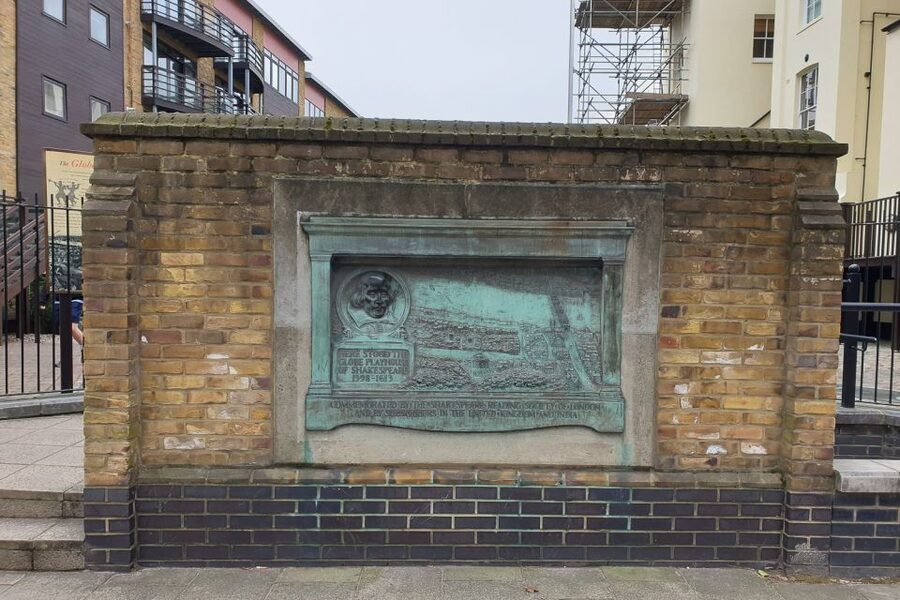
As you move toward the river and into later-site history, you’ll see a stretch of landmarks that shift the tone from punishment and nightlife to power and performance.
London Bridge is a quick stop, but it matters in how it anchors your mental map. From here, the guide can connect the borough’s identity to the surrounding river crossings and the movement of people and goods.
Next is Winchester Palace, specifically what remains of the Bishop of Winchester’s palace. This is where you get a reminder that Southwark’s reputation wasn’t only built by underground activity—major authority also left its physical footprint. Seeing what’s still there (even in partial form) helps you understand how long-lasting institutions can be compared with the short-lived scandals people remember.
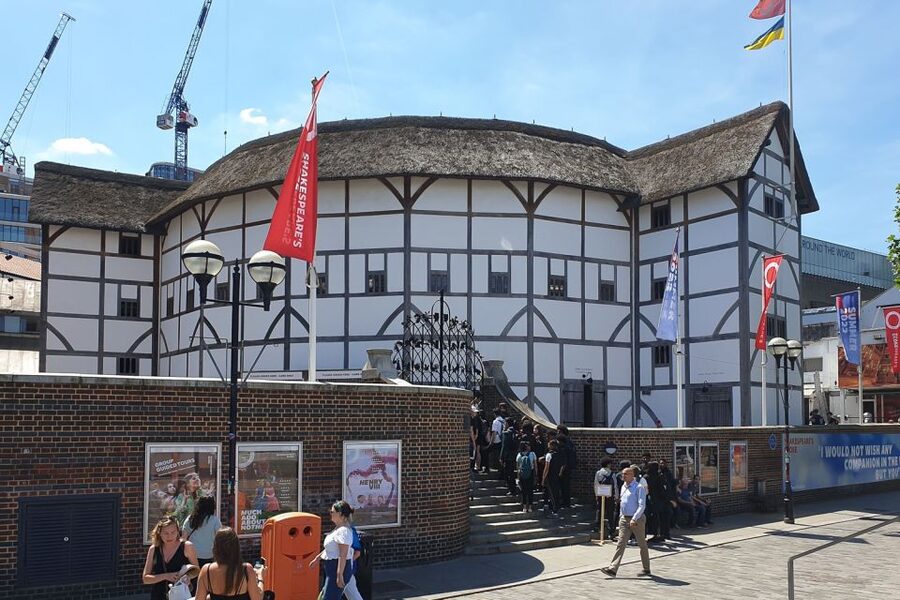
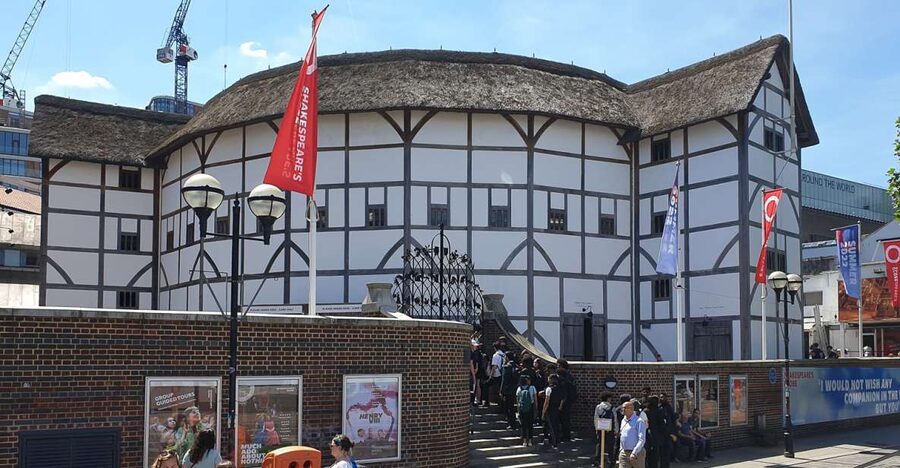
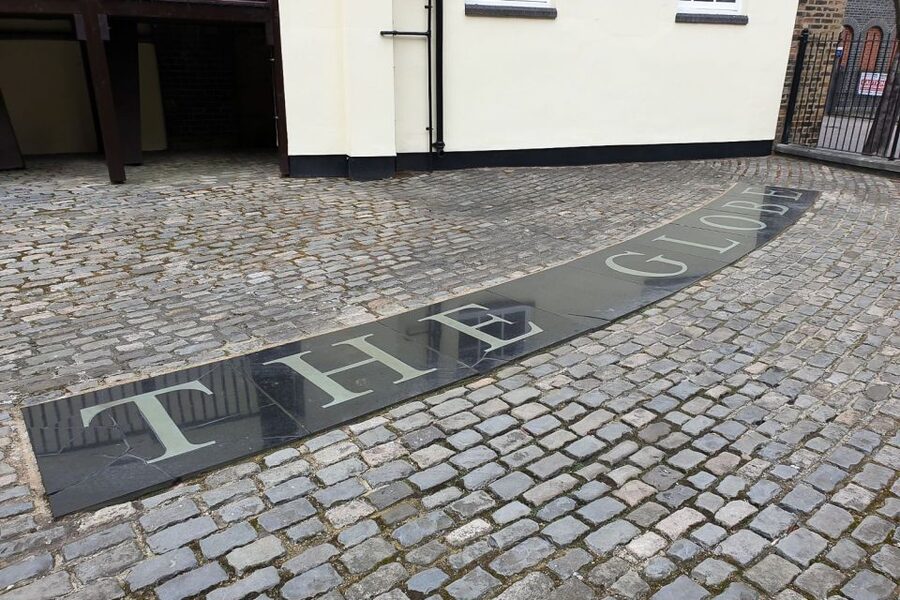
Then you’ll reach the Original site of the Globe Theatre, followed by Shakespeare’s Globe Theatre. The tour description promises both the old and new Globe connection, and that’s the payoff for anyone who likes literature but also likes walking through the actual places that shaped it.
This final section is clever: you go from prisons and markets to theater, with Shakespeare’s legacy acting like a spotlight that flips the neighborhood’s image. You end where the stories are still staged, not just stored behind glass.
The Dickens and Shakespeare Connection You’ll Actually Notice
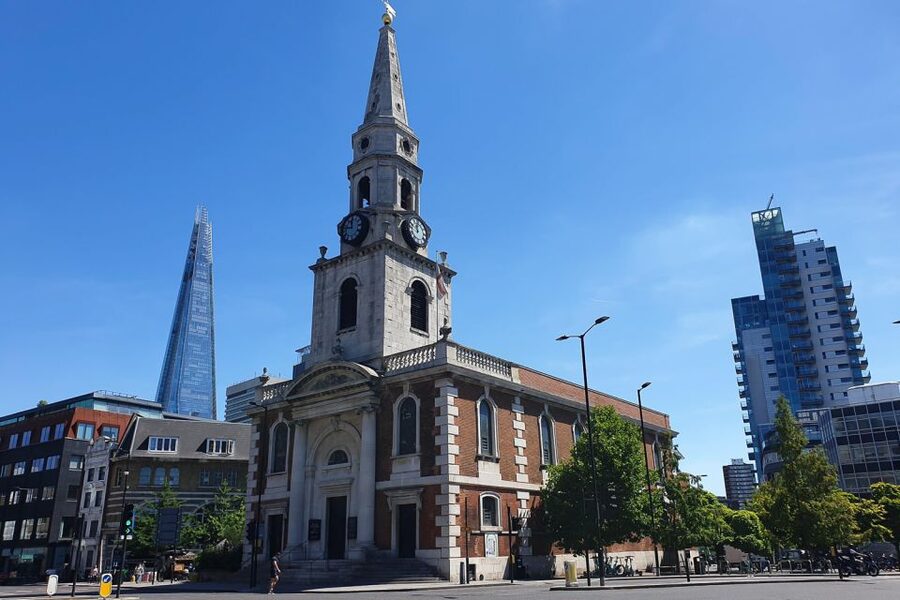
One reason this tour works is that it doesn’t treat Shakespeare as separate from the streets. The route brings you to the Globe and also gives you the neighborhood context that makes the Bard feel more like a product of real London than a distant literary monument.
The tour also points you toward Charles Dickens’s connection to Southwark’s infamous neighborhood. Dickens is one of those authors where the setting matters, and a guided focus on how Southwark’s reputation evolved helps you see why writers would keep returning to places like this. Even if you’re not a “London lit” superfan, the route turns those famous names into something you can point to on a map.
A small detail that adds value: the guide is described as distilling key facts into the right amount of detail and answering questions clearly. That matters here because you’re juggling multiple eras, and a good guide keeps the thread from tangling.
How to Make the Most of a Short, Story-Driven Tour
This is a 2-hour experience, so you won’t have time to become a researcher mid-walk. Instead, treat it like a fast way to get your bearings in a neighborhood that’s easy to misread if you only look at the obvious sights.
Here are a few smart ways to get more out of it:
- Ask questions when something sparks your curiosity, especially around the prison sites and the way the neighborhood’s rules differed over time.
- Pay attention to how each stop connects to the overall idea of “seedy goings-on,” rather than letting each location become a standalone fact.
- Bring a quick-reference mindset for later. One guide-focused advantage mentioned in prior experiences is that you can get a link to read afterwards, so you can follow up without clogging the walk with long explanations.
Also, expect crowds near the market and major attractions. The route is designed for short guided looks, and a guide helps steer you through busier spots without losing the story.
Who This Tour Is For (and Who Should Skip It)
This fits best if you enjoy London history that includes the human mess—sex work, punishment, street life, and the social systems around them. If you like Shakespeare but also like knowing what the neighborhood was like on the ground before the theatre lights, you’ll get a lot from this.
It’s also a good fit for first-time walking tour people. A well-paced route with short stops means you can stay engaged without needing advanced navigation skills.
If you want a children’s history tour, it’s not for you: it’s not suitable for children under 13. If you hate hearing about prostitution or prison history, you should choose a different kind of Southwark walk.
Should You Book Booze, Brothels & the Bard?
If your idea of value is a guided route that connects famous names to specific places, I’d book it. The small group size, the planned stop sequence, and the mix of Southwark prisons, Borough Market, cathedral, Winchester Palace traces, and the Globe make it feel like a full storyline in two hours.
I’d skip it if you want lots of free time at a single attraction or a family-friendly tone. This is designed for movement and story, not lingering.
If you’re on a tight schedule and want a memorable way to understand Southwark, this is a strong bet—especially if you’re curious how London’s respectable image and its messy side have always shared the same streets.
FAQ
Where do I meet for the tour?
Meet just outside Borough Station on Borough High Street. Your guide will be standing there with a Historic London Tours sign.
How long is the walk, and how far do we go?
The tour lasts about 2 hours and covers roughly 2 miles (3.2 km) total.
How many people are on the tour?
Ticket sales are limited to 15 attendees to keep the experience enjoyable and manageable.
What’s included in the price?
The tour includes a live guide. No other inclusions are listed.
What stops will we visit during the tour?
You’ll visit sites including Marshalsea Prison, Crossbones Garden, the Hop Exchange, the George Inn, Borough Market, the Old Operating Theatre Museum & Herb Garret, Southwark Cathedral, London Bridge, Winchester Palace, Clink Prison Museum, the original Globe Theatre site, and Shakespeare’s Globe Theatre.
Is the tour suitable for children?
No. It is not suitable for children under 13.
What language is the guide?
The live tour guide speaks English.
What does the tour cost?
The price is listed as $26 per person.
Can I cancel and get a full refund?
Yes. Free cancellation is available up to 24 hours in advance for a full refund.
Is pay later available?
Yes. You can reserve now and pay later, meaning you can book without paying immediately.