REVIEW · SEOUL
Afternoon E-bike tour and “Happy Hour” food and drinks
Book on Viator →Operated by We Ride Korea Bicycle Tours · Bookable on Viator
Pedal through Seoul, then hit a local Happy Hour. I love the small group cap of 10 and how the e-bike lets you cover big sights without arriving wiped out. I also like that the route threads classic stops like Cheonggyecheon into quick, easy segments that work well on a short timetable.
One thing to consider: this is a 3-hour ride with frequent stops, so it’s not the kind of tour where you’ll linger for long photos at every landmark—plus the experience depends on good weather.
In This Review
- Key highlights worth your attention
- Entering Seoul fast with an e-bike loop that makes sense
- Meeting, bike fitting, and why arriving early helps
- How the Cheonggyecheon stops teach Seoul’s modern story
- Gwanghwamun Square: big space, quick rest, clear orientation
- Traditional homes and Ikseon-dong’s old-meets-present vibe
- Daehanmun Gate and Changdeokgung: palace edges with real atmosphere
- The real payoff: snacks first, then Happy Hour eats and drinks
- Price and value: why $105 can work for short stays
- Who this tour suits best (and who should reconsider)
- Quick practical tips to get the most out of your afternoon
- Should you book this afternoon e-bike and Happy Hour ride?
- FAQ
- How long is the afternoon e-bike tour?
- What’s included in the tour price?
- Do I need to arrive early?
- How big is the group?
- What stops are included during the ride?
- What if I can’t bike due to mobility needs?
Key highlights worth your attention
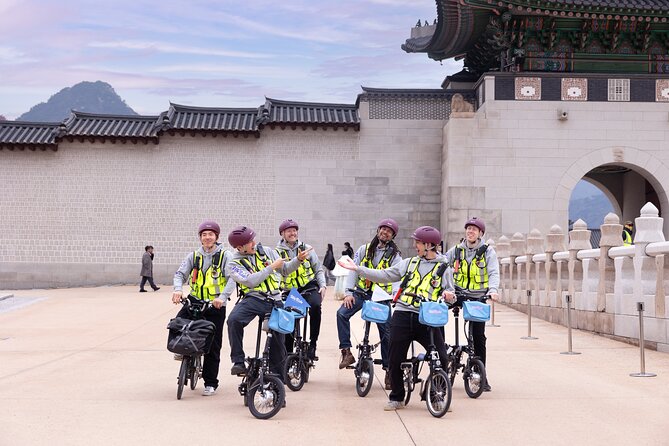
- Max 10 riders keeps the pace friendly and the guide easier to hear
- E-bike + helmet + insurance removes a lot of stress for first-time riders
- Classic Seoul water-and-palace loop fits a lot into an afternoon
- Traditional neighborhood stops show Seoul beyond the main streets
- Happy Hour food and drinks wraps the tour with local comfort food
- Short guided time at each site makes it ideal if you’re time-crunched
Entering Seoul fast with an e-bike loop that makes sense
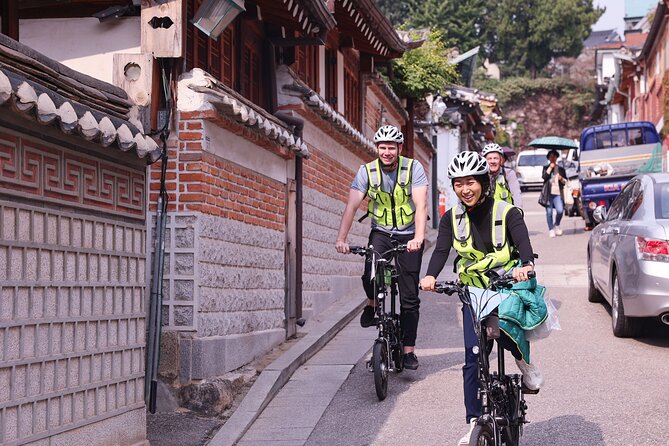
This tour is built for one main job: help you get your bearings quickly while still seeing real Seoul. With an e-bike, you get the freedom to move across neighborhoods and landmarks without turning the afternoon into a walking marathon.
What makes it especially useful is the mix of well-known sights and the smaller streets in between. The overview specifically frames the route around big-name areas like the Blue House and Gyeongbokgung Palace, but you also spend time in the older, more lived-in parts of the city. That blend is what helps you understand Seoul as a connected place, not a list of postcards.
Another plus: it’s a small group (maximum 10). That matters because you can actually ask questions, get reminders about safety, and still keep the flow moving.
You can also read our reviews of more tours and experiences in Seoul.
Meeting, bike fitting, and why arriving early helps
Your afternoon starts at Le Meiller Jongno Town in Jongno, near Jong-ro. The start time is 2:30 pm, and you’re asked to arrive 20–30 minutes early. That pre-tour window isn’t wasted time. You’ll be prepared, safely educated, and fitted to the bike before the ride begins.
In practice, that setup period can change your whole experience. When your bike fit is right and you know how the controls feel, you’ll ride calmer through crowded sidewalks and quick turns. It also makes the whole thing more comfortable if you’re not used to e-bikes.
They provide a safety helmet and insurance, which is a big deal in a city tour context. Seoul is walkable, but biking adds a different layer of traffic awareness and smooth handling. Having safety gear and coverage built into the plan keeps this from feeling risky.
How the Cheonggyecheon stops teach Seoul’s modern story
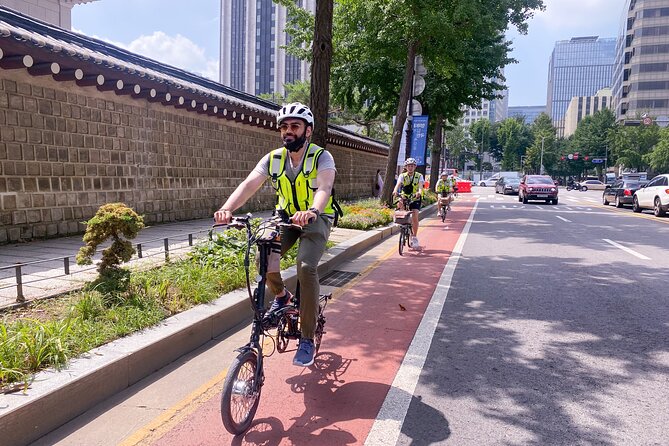
The ride begins with time at Cheonggyecheon, including both the Berlin Square area and the Cheonggyecheon Stream itself. You’re not spending hours here, but the tour’s approach is practical: quick context, then scenery.
At Berlin Square, you’ll start to understand why Korea became divided and how the city reflects that modern history. You’ll then move to the stream section, where you can pause briefly and enjoy one of the most popular waterfront stretches in the city.
Even if you’ve never visited Seoul before, Cheonggyecheon helps you “read” the city. It shows how Seoul reshaped a key waterway into a public space. That’s the kind of context that makes later stops feel more meaningful.
One drawback to keep in mind: since these are short stops, you’ll want to keep your phone ready for a few photos, then get back on the bike. Treat it like orientation, not a slow museum visit.
Gwanghwamun Square: big space, quick rest, clear orientation
Next up is Gwanghwamun Square, described as a central plaza with statues tied to Korean history. Even in a short stop, a plaza like this does two helpful things for you:
1) it gives you a mental anchor for central Seoul, and
2) it provides a breathing point between biking segments.
Think of it as a way to reset your body and your sense of direction. When you’re on an e-bike, you’re always scanning ahead—pausing in a broad open area helps you re-center.
This stop is also useful because it connects you to how Seoul presents national identity in public space. It’s not just architecture. It’s the idea of who belongs where in the city and how the country narrates itself.
Traditional homes and Ikseon-dong’s old-meets-present vibe
The tour then shifts toward traditional architecture and neighborhoods. You’ll spend time at the House of Baek Inje, where you learn key features of a Korean traditional home and how they’re used today. This is a small, focused stop that can help you notice details when you later see similar homes around the city.
After that, you’ll head to Ikseon-dong, known for traditional housing in a district where older structures sit alongside modern life. The value here isn’t just the visuals. It’s the way the tour’s route gives you a reason to slow down mentally: this is Seoul’s past living next to its present.
If you’re the type who likes cultural context, these short segments pay off. If you’re only chasing big monuments, the tour might feel more educational than purely sightseeing—but that’s also why it works as an intro.
Tip for comfort: when the guide pauses you, take a few minutes to look around before you remount. These streets reward attention to small details.
Daehanmun Gate and Changdeokgung: palace edges with real atmosphere
You’ll then pass the Daehanmun Gate, described as the main gate of Deoksugung Palace built in the late 19th century, symbolizing a shift toward a more modern Korean period. Even without a long stop, a gate like this frames your understanding of time in Seoul—because Seoul’s palaces aren’t just old walls. They’re markers of turning points.
Later comes Changdeokgung Palace, where you’ll spend a short visit. The tour describes it as the grand Joseon Dynasty seat of power and still majestic and relevant today. Again, this is not a slow wandering day in palace halls. It’s a guided taste that pairs well with the earlier cultural stops.
I like this pacing because it keeps energy stable. You’re not stuck in one place for too long, and you avoid the fatigue that can happen when you pack too many major sights into one day by foot.
If you’re hoping for long photo time inside palace grounds, you may want to plan a separate visit later. This tour is about connection and orientation, not deep palace study.
The real payoff: snacks first, then Happy Hour eats and drinks
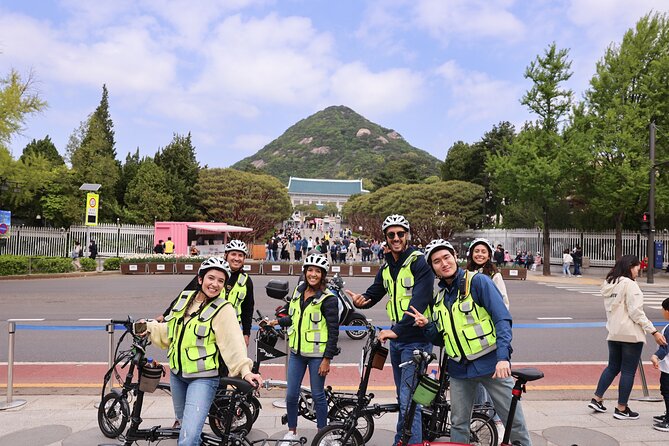
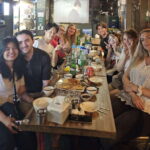
The heart of this experience is the final long segment tied to food. You’ll return to We Ride Korea Bicycle Tours & Rentals to drop the bikes, then head into the tour’s favorite local spots for Happy Hour food and drinks.
The seasonal menu details are specific:
- In winter, you can enjoy kimchi soup, Korean pancakes, and makolli rice wine.
- In summer, the plan includes K-fried chicken and other local treats, plus drinks.
That last piece is important. The tour isn’t just sightseeing with a snack after. It’s designed so you close the day with Korean comfort food and something to drink, which makes the whole tour feel like a complete experience.
From the guides’ approach, you can also tell they’re aiming for a practical eating experience: places where you can sit, eat, and talk about what you saw. One review highlighted a guide named Vincent for being extremely attentive and fun, and this kind of ending is often where you see that personality come through.
You might also hear guides like Taejin and Hagar credited for making the ride safe and enjoyable. That matters because the food stop works best when the earlier ride felt smooth.
One thing to keep in mind: the itinerary wording points to enjoying local treats and drinks, but it doesn’t spell out every drink cost or what’s included in the price line-by-line here. Before you go, confirm at booking what’s covered versus what you can optionally add.
Price and value: why $105 can work for short stays
At $105 per person, this tour costs more than a basic walking tour—but it’s also doing more work for you. You’re getting:
- an e-bike (not a scooter-style shortcut),
- a helmet,
- insurance,
- guided time through a tight set of high-demand areas, and
- snacks plus the Happy Hour food-and-drink portion.
For many first-time visitors, the value is time. Seoul is big, and afternoons can evaporate fast when you’re figuring out transit, walking distances, and where neighborhoods start and end. The e-bike approach compresses that decision-making.
The other value is stress reduction. The bike fitting and safety education help you avoid the awkward stage of trying to learn on the fly. If you want to spend your vacation looking, not troubleshooting logistics, this format fits well.
About admissions: the tour schedule marks admission tickets as free for many stops (including several of the listed sights). Still, one part of the day notes an admission ticket status at the bike shop segment. If admission rules matter to you, check what’s covered when you book so you can plan expectations.
Who this tour suits best (and who should reconsider)
This is a strong choice if:
- you’re visiting Seoul for the first time and want quick orientation,
- you have limited time and want to see both major sites and more local neighborhoods,
- you prefer guided context over wandering alone, and
- you want a small group with a capped size.
The tour also offers a helpful flexibility: if you have additional mobility requirements, you can join via a pedicab at the same price. That’s a smart inclusion for people who still want the route and guide without biking.
Service animals are allowed, and the meeting point is near public transportation, which keeps the start/end easier.
Possible reason to reconsider: if you hate the idea of cycling (even on an e-bike) or you need a very slow pace with long indoor stops, this schedule may feel like too much movement. It’s structured around short guided segments and a ride-between-stops rhythm.
Quick practical tips to get the most out of your afternoon
Here are the small things that make a real difference with an e-bike tour:
- Wear comfortable shoes that can handle quick boarding and turns on sidewalks.
- Arrive early so the bike fitting doesn’t feel rushed.
- Keep your phone accessible for the stream and central plazas, then put it away while riding.
- If you’re going in colder months, dress for temperature swings—your body will work, then rest at stops.
Also, remember that the tour requires good weather. If it gets canceled due to weather, you’ll be offered a different date or a full refund. Plan your afternoon buffer accordingly.
Should you book this afternoon e-bike and Happy Hour ride?
Book it if you want a high-value intro to Seoul that blends major landmarks with neighborhood texture—and you want the day to end with real Korean comfort food and drinks. The small group size and built-in e-bike safety setup are the main reasons it feels easier than doing the same route on your own.
Skip it (or pair it with something slower) if your top priority is long, quiet time at palaces or you know you’ll struggle with the movement of cycling for the full 3-hour window.
If you’re short on time and want your Seoul day to feel like a guided “map you can ride,” this is an excellent use of an afternoon.
FAQ
How long is the afternoon e-bike tour?
The tour runs for about 3 hours, starting at 2:30 pm.
What’s included in the tour price?
You get use of an e-bike, a safety helmet, and insurance. The experience also includes snacks from a local market and a Happy Hour-style food and drink stop.
Do I need to arrive early?
Yes. You should arrive about 20–30 minutes before the tour so the team can prepare you, educate you on safe riding, and fit your bike.
How big is the group?
The group is capped at a maximum of 10 travelers.
What stops are included during the ride?
The itinerary includes Cheonggyecheon Berlin Square, Cheonggyecheon Stream, Gwanghwamun Square, the House of Baek Inje, Ikseon-dong, Daehanmun Gate, Changdeokgung Palace, plus a return stop to drop off bikes before the Happy Hour food and drink portion.
What if I can’t bike due to mobility needs?
If you have additional mobility requirements, you can join via a pedicab at the same price.
If you want, tell me your travel dates and whether you’re visiting in winter or summer—I’ll suggest what to prioritize before and after this tour so the whole day flows.