REVIEW · BUDAPEST
Budapest Guided Food Walking Tour with Drinks Included
Book on GetYourGuide →Operated by Tipsy Tours by Carpe Diem Tours · Bookable on GetYourGuide
Budapest tastes better with a local guide. This 3-hour food tour through District 7 mixes Hungarian street-food hits with Jewish-linked culinary history, starting at Kazinczy Street Synagogue and ending back where you began. You’ll eat at four local spots, guided the whole way, with drinks built into the route.
I love the priority service at the four eateries, because you get seated and served without the usual guesswork. I also like the way guides make the dishes make sense, from soup and Lángos to classics like nokedli and Flódni. Guides I’ve seen praised include Nika, Peter, and Kitti, and the common theme is friendly attention plus strong context for what you’re eating.
One possible drawback to plan around: the tour can’t accommodate gluten-free or vegan diets right now, and the portions can be seriously filling. If you’re sensitive to certain foods, tell the operator in advance so they can do their best within the menu limits.
In This Review
- Key things I’d watch for on this Budapest food walk
- Starting at Kazinczy Street Synagogue: why this matters for Hungarian food
- District 7 walking time: nightlife energy plus real local grit
- Street-food focus: soup and Lángos before you slow down for meals
- Andrassy Avenue hour: turning a stroll into architectural context
- The four-eat plan: what you’ll likely taste and how each stop earns its spot
- Stop one: Jewish-quarter context paired with a first savory bite
- Stop two: street-food comfort, Lángos-style, with no-fuss eating
- Stop three: sit-down Hungarian classics like nokedli
- Stop four: Flódni and the Jewish-Hungarian pastry connection
- Portion reality check
- Drinks included: sweet wine, Hungarian beer, and Pálinka shots
- Vegetarian, allergy notes, and what to say before you go
- Guide quality: why the best tours feel personal in District 7
- Price and value: is $69 fair for four eateries plus drinks?
- Pacing and logistics: getting the most out of 3 hours
- Who should book this Budapest food tour (and who might skip it)
- Should you book the Budapest Guided Food Walking Tour with Drinks Included?
- FAQ
- Where does the tour start and how do I find the guide?
- How long is the Budapest food walking tour?
- How many places do we eat at, and how many drinks are included?
- Is the tour suitable for vegetarians?
- Can the tour accommodate gluten-free or vegan diets?
- What language is the tour guide?
Key things I’d watch for on this Budapest food walk
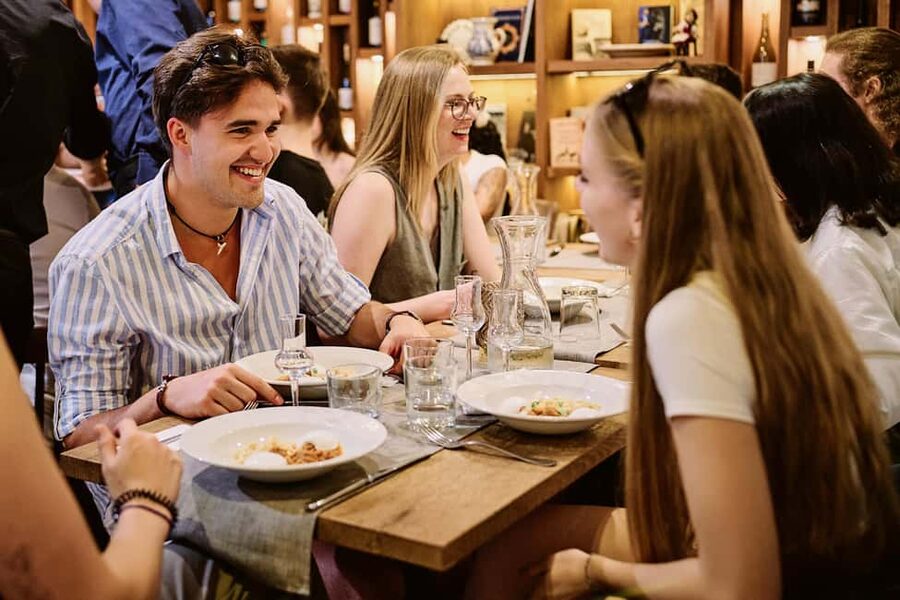
- Kazinczy Street Synagogue start: you begin with the Jewish connection to Hungarian food culture, not a random café stop
- Four eateries in 3 hours: tight pacing, lots of variety, and built-in time for priority ordering
- Lángos and soup early: you kick off with street food you can eat without utensils
- Sit-down Hungarian classics later: you transition from casual bites to more traditional plates like nokedli and Flódni
- Drinks included: sweet Tokaji wine, Hungarian beer, and shots like Pálinka, with alcohol-free options available
- District 7 on foot: you see the neighborhood’s history and nightlife vibe in one guided loop
Starting at Kazinczy Street Synagogue: why this matters for Hungarian food
The tour starts at Kazinczy Street Synagogue, and that opening sets the tone. It might feel unusual for a food walk, but it’s a smart move because Hungarian food isn’t just about recipes. It’s also about communities—especially the Jewish community’s influence on local tastes and traditions.
You’ll get a short guided introduction and then head into the former Jewish neighborhood area known today as District 7. The guide’s goal is simple: help you understand why certain dishes show up together and how Budapest’s layers of history shaped what ends up on the table.
If you enjoy tours where food is connected to place, this beginning is a win. It also helps you get oriented fast, because you’re not just eating—you’re building a mental map of the district as you go.
You can also read our reviews of more tours and experiences in Budapest.



District 7 walking time: nightlife energy plus real local grit
District 7 is where Budapest can feel both gritty and glamorous, sometimes within a few streets. During your walk, you’ll get the story of how this neighborhood evolved and why it’s now known for its nightlife.
This is the part of the tour that works best if you like going at local speed. You’re not rushing through landmark photos. You’re moving with stops that match how people actually spend time here—snacking, chatting, and taking in the atmosphere.
One thing to keep in mind: because District 7 is lively, the walk can feel energetic even at a calm pace. So if you prefer quiet, slow sightseeing, you may want to treat this more like a food-focused night out than a hushed culture stroll.
Street-food focus: soup and Lángos before you slow down for meals
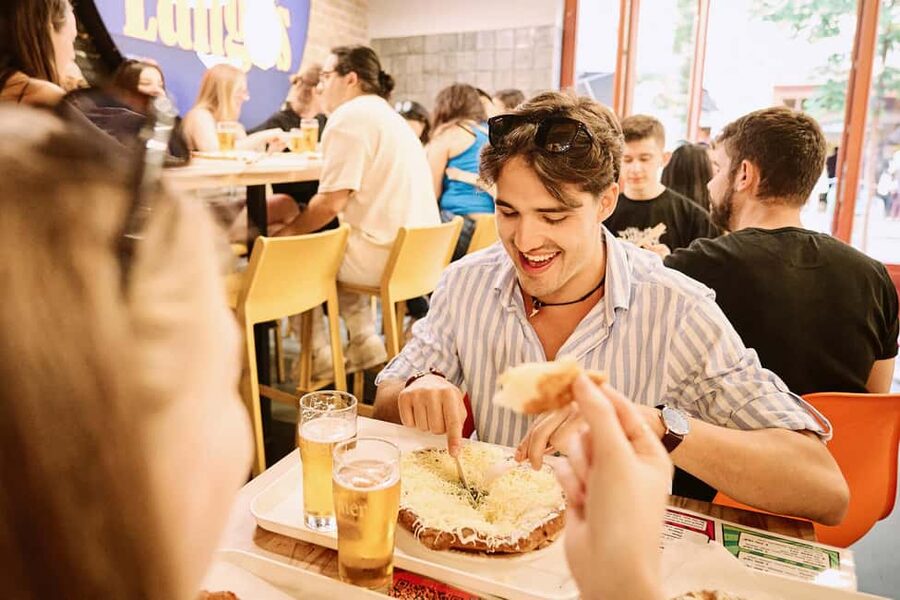
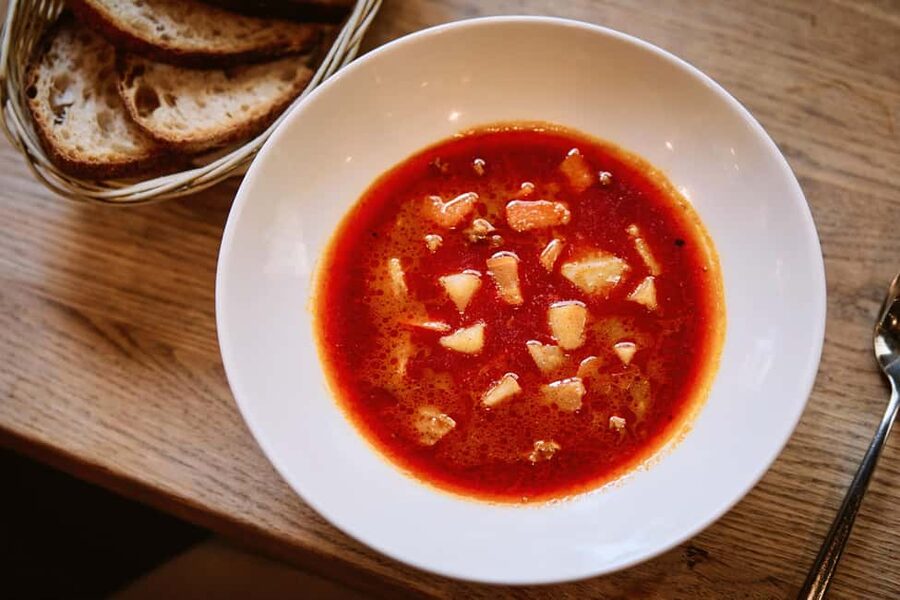
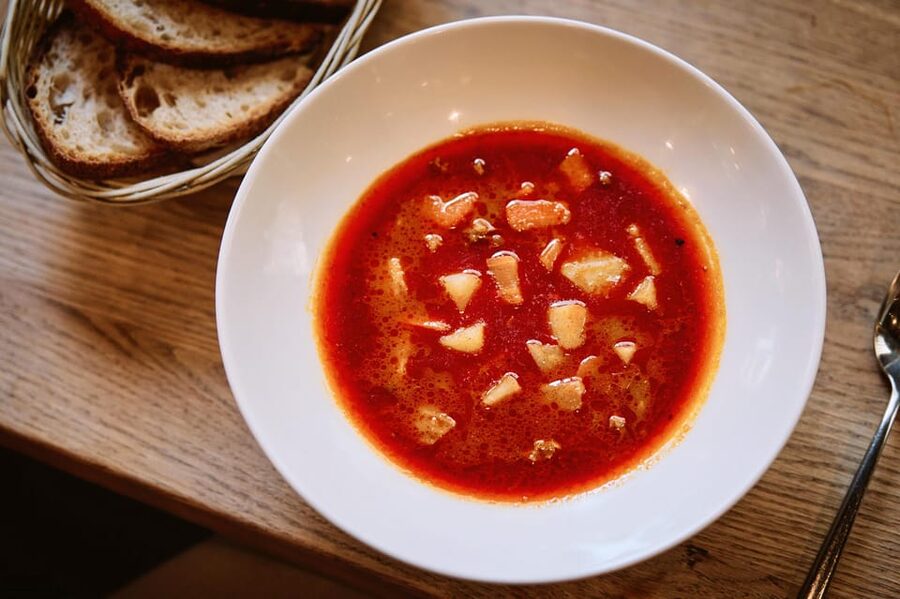
Early in the experience, you’ll try classic Hungarian street food: traditional soup and Lángos. This matters because it’s not just about tasting; it’s about texture and technique. Soup warms you up, while Lángos—deep-fried flatbread—gives you that unmistakable comfort-food hit that Budapest does so well.
The best practical tip here is your eating setup. You won’t need a knife or fork for the street-food part. That makes the experience easier if you’re traveling light, and it keeps the pace moving between short walking segments.
After the street bites, the tour shifts toward fancier spots for sit-down dishes. That contrast is one reason this tour feels “complete” rather than repetitive. You start casual, then get more traditional with plated food.
Andrassy Avenue hour: turning a stroll into architectural context
You’ll spend time along Andrassy Avenue with guided storytelling. This is where the tour expands from food into the city’s broader personality—how Budapest looks, how it developed, and how that connects to the way people dine.
You’ll also get a more formal sightseeing moment, and some departures include a look connected to the Opera area. In at least one guided experience, the group was able to see the Opera House from the inside. That’s not guaranteed as a public-schedule promise in the details you provided, but it’s a strong sign that the guide may build in cultural highlights during this stretch.
Either way, this portion is useful because it breaks up the meal sequence. You’re still progressing through the neighborhood, but you’re also getting a mental reset between courses.
The four-eat plan: what you’ll likely taste and how each stop earns its spot
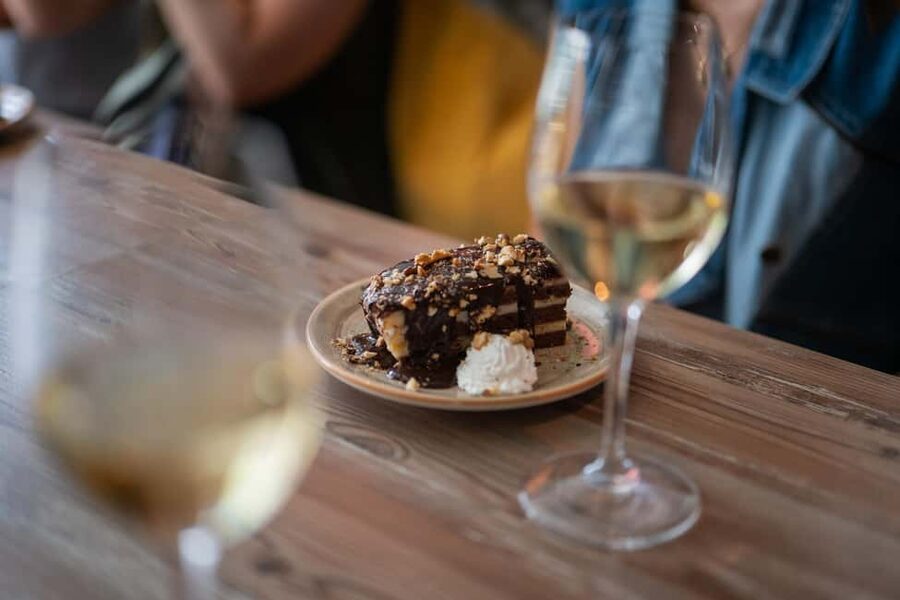
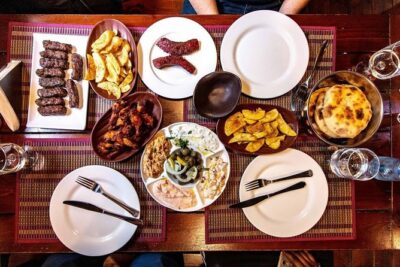
The tour is structured around four local eateries with a set menu and priority service. That combination is the value play: you get variety without spending your time hunting, reading menus, or negotiating a language barrier.
Here’s how the food flow tends to work, based on what the tour is set up to serve:





Stop one: Jewish-quarter context paired with a first savory bite
You begin with the introduction and then move into an early tasting that sets you up for the rest of the night. Expect Hungarian street-food style flavors—like soup—early enough that you can taste without rushing.
This first step is also psychological. It helps you connect the history you just heard with flavors you can immediately recognize.
Stop two: street-food comfort, Lángos-style, with no-fuss eating
Next comes Lángos, often the dish most people remember because it’s simple but impossible to fake. It’s deep-fried, filling, and meant to be eaten on the go.
If you’re the type who likes food you can actually enjoy while walking, this is your moment. You’ll be able to focus on taste instead of utensils.
Stop three: sit-down Hungarian classics like nokedli
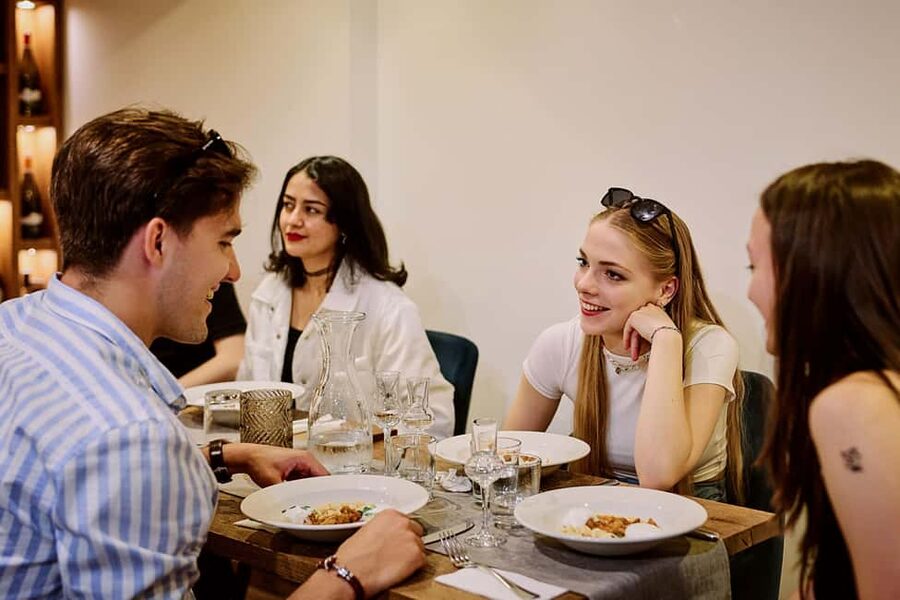
Later on, you’ll reach traditional Hungarian comfort food, including nokedli (dumplings). Nokedli is a classic because it’s the kind of dish that carries flavor through simple ingredients and technique.
This is where the tour slows down. You’ll shift from grab-and-go street energy into plated, more formal eating.
Stop four: Flódni and the Jewish-Hungarian pastry connection
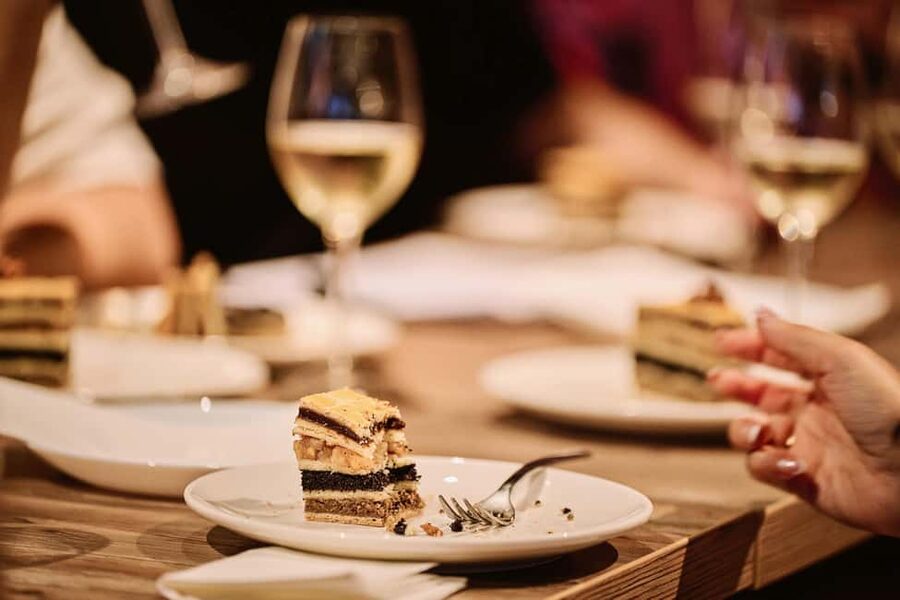
You’ll also taste Flódni, a Jewish-Hungarian pastry. That combo is a neat link between earlier synagogue context and later dessert-style satisfaction.
Even if pastries aren’t your usual priority, Flódni is worth treating as part of the tour’s storyline. It’s not random dessert. It’s a continuation of the theme that Hungarian food in Budapest can’t be separated from community history.
Portion reality check
Across the experience, guides and repeat guests emphasize big portions. Plan on leaving full, not just lightly “sampled.” If you’re also planning a late dinner after the tour, you might want to schedule it carefully—or keep something small for later.
Drinks included: sweet wine, Hungarian beer, and Pálinka shots
You’ll get three alcoholic beverages included: wine, beer, and shots. The tour description specifically points to fruity Pálinka and sweet Tokaji wine, plus Hungarian beer.
This is one of the tour’s most practical advantages. Food tours sometimes include a single drink and call it a day. Here, the structure gives you choices across styles: sweet, crisp, and spirit-forward.
If you don’t drink alcohol, there are alcohol-free options available. That means you can still take part without rearranging the whole experience around your choices.
One extra helpful detail: water is typically available at the stops. It sounds small, but it helps if you’re tasting multiple items in a short window.
Vegetarian, allergy notes, and what to say before you go

The tour includes vegetarian options, but the details say the vegetarian menu may have fewer options than the regular menu. So yes, you can eat, but your list of final dishes might be more limited.
On the restriction side, the operator states they cannot accommodate gluten-free or vegan diets at the moment. If those matter to you, this tour likely won’t work as written.
For allergies, you’ll want to be proactive. In at least one guided experience, the guide accommodated a child’s food allergies. That’s encouraging, but it still means your best move is to message the operator about your specific needs before arrival.
Guide quality: why the best tours feel personal in District 7

One theme that keeps showing up across the named guides is the human touch: friendly, engaging hosting and real effort to explain both food and Budapest. People consistently call out guides like Nika, Peter, Kitti, and others for making the tour feel easy—especially if you’re not familiar with Hungarian cuisine.
This matters more than it sounds. When you know what you’re eating and why it exists, you don’t just remember dishes—you remember the city. You also pick up practical restaurant ideas for the rest of your trip, because the guide isn’t only focused on the four stops.
In other words, the value isn’t only the food. It’s the translation layer between a menu and your own curiosity.
Price and value: is $69 fair for four eateries plus drinks?

At $69 per person for about 3 hours, you’re paying for three things at once: food, drink, and guided access. Four eateries with priority service is a big part of the “you don’t have to plan” value.
Here’s why that matters for your wallet and your time:
- You’re not spending time comparing places for each course.
- You’re not paying restaurant prices à la carte for a curated set.
- You’re not guessing what will be best on a menu in a language you might not speak.
And the drinks included help close the loop. You’re not leaving early because you feel like you missed out on the full cultural side. The tour explicitly covers wine, beer, and shots, with alcohol-free options available too.
So for a first visit to Budapest—or for a traveler who wants a fast, reliable taste without the work—it’s strong value.
Pacing and logistics: getting the most out of 3 hours
This is a short tour, and it moves. That’s good if you like efficiency. It also means you’ll want to arrive ready to eat and walk.
You’ll meet in front of Kazinczy Street Synagogue. The guide holds a yellow Carpe Diem Tours flag, so it’s fairly straightforward to spot the group. You’ll also want to bring your passport or ID card, since the tour information lists that as required.
What to do during the tour to get the best experience:
- Come hungry. This tour is built for multiple tastings.
- Don’t plan a heavy dinner immediately afterward.
- Ask your guide for recommendations during the gaps between stops; the walking sections are often when those conversations happen naturally.
Who should book this Budapest food tour (and who might skip it)
This tour is ideal if you want:
- A guided way to try Hungarian favorites without menu stress
- A District 7 introduction that mixes history with nightlife energy
- Drinks included alongside food, with alcohol-free options
- A quick, high-impact first-day activity that helps you plan the rest of your trip
You might skip it if:
- You need a gluten-free or vegan menu today (the tour can’t accommodate it right now).
- You prefer long sit-down meals and slow pacing over a structured 3-hour loop.
Should you book the Budapest Guided Food Walking Tour with Drinks Included?
I’d book it if you like your Budapest travel with both flavor and context. The standout strengths are the four-stop structure, the District 7 focus, and the way the tour connects food to community history starting at Kazinczy Street Synagogue. The drinks component is also a practical plus, because the tour includes more than a token pour.
Just be honest about dietary needs. If gluten-free or vegan matters, this isn’t the right fit based on what’s available. If you can do vegetarian (and you share your needs early), it’s a strong choice.
If you want a fun, efficient evening where you leave full and better oriented in Budapest, this one is a solid bet.
FAQ
Where does the tour start and how do I find the guide?
You’ll meet in front of Kazinczy Street Synagogue. The guide will be holding a yellow Carpe Diem Tours flag.
How long is the Budapest food walking tour?
The tour lasts about 3 hours.
How many places do we eat at, and how many drinks are included?
You’ll visit four local eateries for traditional Hungarian food. Three alcoholic beverages are included (wine, beer, and shots), and alcohol-free options are available.
Is the tour suitable for vegetarians?
Yes, vegetarian options are available. The details note that vegetarian options may be fewer than the regular menu.
Can the tour accommodate gluten-free or vegan diets?
Right now, the tour cannot accommodate gluten-free or vegan diets.
What language is the tour guide?
The live tour guide speaks English.